
 EN
EN



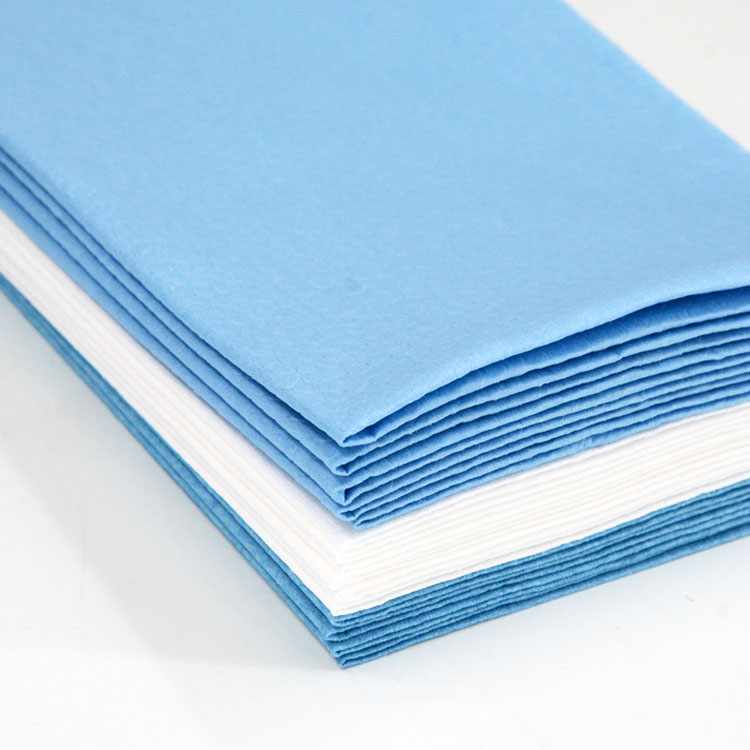
Laboratory environments demand the highest standards of cleanliness and contamination control, making the selection of appropriate cleaning materials absolutely critical. In high-sensitivity laboratory settings where even microscopic particles can compromise research outcomes, dust free paper emerges as an indispensable tool for maintaining sterile conditions. These specialized cleaning materials are engineered to eliminate particle shedding while providing superior absorption capabilities, ensuring that sensitive equipment and surfaces remain pristine throughout complex analytical procedures.
The performance characteristics of dust free paper in laboratory applications extend far beyond conventional cleaning materials, offering researchers and technicians the reliability needed for precision work. Understanding how these materials function in controlled environments helps laboratory managers make informed decisions about contamination control protocols and cleaning procedures that directly impact experimental accuracy and regulatory compliance.
Contamination Control Properties of Dust Free Paper
Particle Shedding Prevention Mechanisms
The fundamental design of dust free paper centers on eliminating particle generation during use, which is achieved through specialized manufacturing processes that bond fibers without creating loose material. Advanced polymer coating techniques create a surface that maintains structural integrity under mechanical stress, preventing the release of microscopic debris that could contaminate sensitive laboratory environments. This engineering approach ensures that wiping actions do not introduce foreign particles into controlled spaces.
Manufacturing quality control measures for dust free paper include rigorous testing protocols that verify particle count specifications before products reach laboratory facilities. These materials undergo extensive validation to ensure they meet cleanroom classification standards, with some variants achieving particle counts as low as 50 particles per square foot. The testing methodology involves controlled wiping simulations that measure particle release under various pressure conditions, confirming the material's suitability for high-sensitivity applications.
Surface Compatibility and Chemical Resistance
Chemical compatibility represents another crucial performance aspect of dust free paper in laboratory settings, where exposure to solvents, acids, and other aggressive substances is routine. The synthetic polymer construction of premium dust free paper provides exceptional resistance to degradation from common laboratory chemicals, maintaining cleaning effectiveness without breaking down or releasing contaminants. This chemical stability extends the useful life of the material while ensuring consistent performance throughout extended cleaning procedures.
Surface compatibility testing demonstrates that dust free paper maintains gentle contact with delicate laboratory instruments while providing thorough cleaning action. The material's non-abrasive characteristics prevent scratching of optical surfaces, electronic components, and precision measurement devices that are integral to high-sensitivity laboratory operations. This protective quality makes dust free paper particularly valuable for cleaning sophisticated analytical equipment where surface damage could compromise measurement accuracy.

Absorption Performance in Critical Applications
Liquid Management Capabilities
The absorption capacity of dust free paper plays a vital role in spill management and routine cleaning operations within laboratory environments. Advanced fiber technology creates an internal structure that rapidly wicks liquids while preventing saturation overflow, allowing technicians to address contamination incidents quickly and thoroughly. This rapid absorption capability is particularly important when dealing with hazardous chemicals or biological materials that require immediate containment.
Controlled absorption testing reveals that high-quality dust free paper can absorb up to eight times its weight in various laboratory solvents while maintaining structural integrity. The material's ability to retain absorbed liquids without dripping or leaking ensures that contaminated substances remain contained during disposal procedures. This performance characteristic significantly reduces the risk of secondary contamination that could occur with less effective cleaning materials.
Solvent Compatibility and Retention
Laboratory applications often require the use of specialized solvents for equipment cleaning and surface preparation, making solvent compatibility a critical performance factor for dust free paper. Premium materials demonstrate excellent compatibility with isopropyl alcohol, acetone, methanol, and other common laboratory solvents without experiencing fiber degradation or reduced cleaning effectiveness. This compatibility ensures that cleaning procedures can proceed without concern for material failure or contamination introduction.
Retention testing shows that dust free paper maintains absorbed solvents effectively, preventing vapor release that could create atmospheric contamination in enclosed laboratory spaces. The material's ability to sequester volatile compounds during cleaning operations contributes to maintaining air quality standards and protecting personnel from exposure to potentially harmful vapors. This performance aspect becomes particularly important in analytical laboratories where atmospheric purity directly affects instrument sensitivity and measurement reliability.
Cleanroom Classification and Standards Compliance
ISO Classification Requirements
Meeting international cleanroom standards requires dust free paper to undergo extensive validation testing that verifies compliance with ISO 14644 particle count specifications. Class 100 and Class 1000 cleanroom applications demand materials that generate fewer than specified particle counts per cubic foot of air, requiring dust free paper manufacturers to implement stringent quality control measures throughout the production process. These standards ensure that cleaning materials do not compromise the controlled environment's particle classification.
Certification processes for dust free paper include particle count verification under standardized testing conditions that simulate actual use scenarios. Testing protocols measure particle generation during various wiping motions, pressure applications, and surface interactions to provide comprehensive performance data. This validation approach gives laboratory managers confidence that their chosen dust free paper will maintain cleanroom classification during routine cleaning operations.
Regulatory Compliance Documentation
Pharmaceutical and biotechnology laboratories operating under FDA or similar regulatory oversight require comprehensive documentation of cleaning material performance and validation. Dust free paper suppliers provide detailed certificates of analysis that document particle count testing, chemical resistance validation, and manufacturing quality control measures. This documentation supports regulatory compliance efforts and provides auditable records of contamination control measures.
Traceability requirements in regulated laboratory environments necessitate lot-specific documentation for dust free paper that tracks manufacturing date, testing results, and quality control verification. Advanced suppliers maintain comprehensive batch records that enable complete traceability from raw materials through final product delivery, supporting quality assurance programs and regulatory inspection requirements. This documentation framework ensures that laboratory operations can demonstrate adherence to established contamination control protocols.
Performance Optimization Strategies
Application Technique Considerations
Maximizing the performance of dust free paper in laboratory applications requires understanding proper application techniques that optimize cleaning effectiveness while minimizing contamination risk. Folding methods that create multiple cleaning surfaces from a single sheet extend material efficiency while maintaining the clean surface contact needed for sensitive equipment cleaning. Proper folding techniques also prevent cross-contamination between different areas during cleaning procedures.
Pressure application during wiping procedures affects both cleaning effectiveness and particle generation, requiring technicians to develop consistent techniques that balance thoroughness with gentleness. Training programs for laboratory personnel should emphasize the importance of controlled pressure application that achieves cleaning objectives without exceeding the material's design limits. This approach ensures that dust free paper performs optimally throughout its intended service life.
Storage and Handling Protocols
Environmental storage conditions significantly impact the performance characteristics of dust free paper, particularly in high-humidity laboratory environments where moisture absorption could affect material properties. Proper storage protocols include maintaining controlled temperature and humidity conditions that preserve the material's structural integrity and absorption capacity. Climate-controlled storage areas help ensure that dust free paper maintains its specified performance characteristics until use.
Contamination prevention during storage requires sealed packaging systems that protect dust free paper from environmental pollutants and particulate contamination before use. Advanced packaging designs incorporate multiple barrier layers that maintain material cleanliness while providing easy access for laboratory personnel. These packaging systems support the overall contamination control strategy by ensuring that cleaning materials remain pristine until deployed in sensitive applications.
Cost-Effectiveness and Operational Benefits
Economic Performance Analysis
The cost-effectiveness of dust free paper in laboratory applications extends beyond initial material costs to include operational efficiency improvements and contamination prevention benefits. Higher-quality materials that provide superior cleaning performance often reduce the quantity required for specific tasks, resulting in lower overall material consumption and disposal costs. This efficiency advantage becomes particularly significant in high-volume laboratory operations where cleaning material costs represent a substantial operational expense.
Long-term cost analysis should consider the potential expenses associated with contamination incidents that could result from using inadequate cleaning materials. Equipment damage, experimental failures, and regulatory compliance issues can generate costs that far exceed the price difference between standard and premium dust free paper. Investing in high-performance materials provides insurance against these costly outcomes while supporting consistent laboratory operations.
Productivity Enhancement Benefits
Operational productivity improvements result from the superior performance characteristics of quality dust free paper that enables faster and more effective cleaning procedures. Reduced cleaning time requirements allow laboratory personnel to focus more attention on core analytical activities while maintaining the cleanliness standards necessary for reliable results. This productivity enhancement contributes to improved laboratory throughput and operational efficiency.
Equipment maintenance intervals can be extended when using high-performance dust free paper that provides thorough cleaning without leaving residues or causing surface damage. This maintenance advantage reduces equipment downtime and associated productivity losses while supporting the extended service life of expensive analytical instruments. The protective cleaning action of quality materials helps preserve equipment investments while maintaining optimal performance characteristics.
FAQ
What makes dust free paper different from regular cleaning materials?
Dust free paper is specifically engineered to eliminate particle shedding during use through specialized manufacturing processes that bond fibers without creating loose material. Unlike regular cleaning cloths or papers that can release microscopic debris, dust free paper maintains structural integrity under mechanical stress while providing superior absorption capabilities. This engineering approach makes it essential for high-sensitivity laboratory environments where even tiny particles can compromise research outcomes.
How often should dust free paper be replaced during cleaning procedures?
The replacement frequency for dust free paper depends on the specific application and contamination level, but generally, new material should be used for each distinct cleaning area to prevent cross-contamination. In critical applications, laboratory protocols may require fresh dust free paper for each piece of equipment or surface being cleaned. The material's absorption capacity and structural integrity typically allow for multiple wipes within a single application area before replacement becomes necessary.
Can dust free paper be used with all types of laboratory solvents?
High-quality dust free paper demonstrates excellent compatibility with most common laboratory solvents including isopropyl alcohol, acetone, methanol, and various cleaning agents without experiencing fiber degradation. However, specific chemical compatibility should be verified with the manufacturer for unusual or highly aggressive solvents. The synthetic polymer construction of premium materials provides broad chemical resistance while maintaining cleaning effectiveness and particle control performance.
What storage conditions are required to maintain dust free paper performance?
Proper storage requires controlled temperature and humidity conditions to preserve the material's structural integrity and absorption capacity, typically in sealed packaging away from environmental contaminants. Climate-controlled storage areas help ensure that dust free paper maintains its specified performance characteristics, while sealed packaging systems protect against particulate contamination before use. Storage areas should be clean, dry, and away from sources of chemical vapors or dust that could compromise material cleanliness.