
 EN
EN



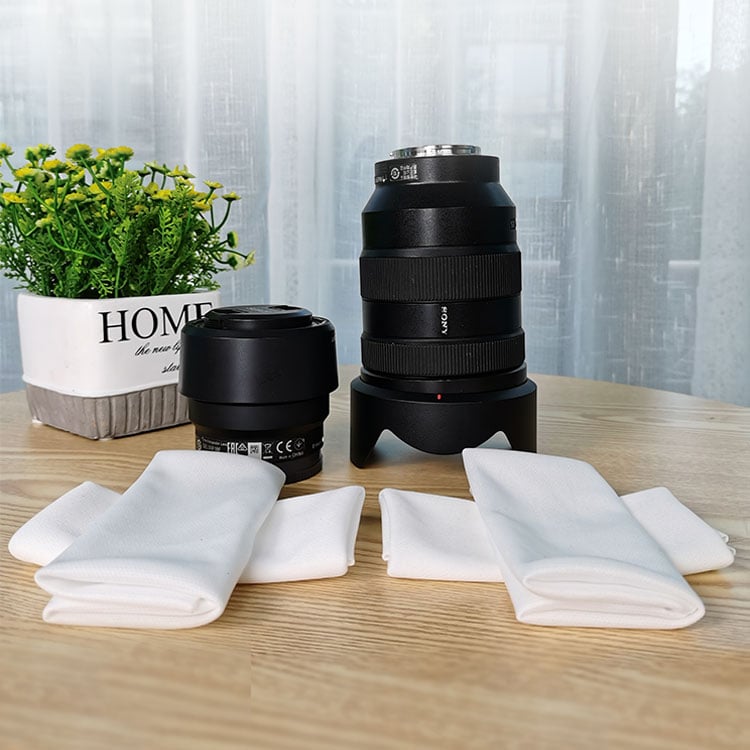
Contamination control remains a critical concern across pharmaceutical manufacturing, semiconductor fabrication, biotechnology research, and medical device production facilities. These controlled environments demand stringent cleanliness standards to prevent product defects, ensure regulatory compliance, and maintain operational excellence. Among the various tools employed to achieve these standards, microfiber cleanroom wipers have emerged as essential components in comprehensive contamination control strategies.

The unique construction of microfiber cleanroom wipers enables them to capture particles, absorb liquids, and remove contaminants more effectively than conventional cleaning materials. Their specialized fiber structure, combined with advanced manufacturing processes, creates cleaning tools specifically engineered for sterile environments. Understanding how these products support contamination control requires examining their material properties, cleaning mechanisms, and practical applications across different cleanroom classifications.
Advanced Fiber Technology in Cleanroom Applications
Microfiber Construction and Properties
The effectiveness of microfiber cleanroom wipers stems from their unique fiber construction, where individual filaments measure less than one denier in diameter. This ultrafine structure creates an extensive surface area that enhances particle capture capabilities compared to traditional cotton or paper alternatives. Each fiber strand splits into even smaller components during manufacturing, resulting in a web-like structure that traps microscopic particles through mechanical action rather than adhesive forces.
Modern microfiber cleanroom wipers typically consist of polyester and polyamide blends, engineered to achieve specific performance characteristics. The polyester component provides durability and chemical resistance, while polyamide contributes superior absorption properties and particle retention. This combination ensures that microfiber cleanroom wipers maintain their effectiveness throughout extended use cycles while resisting degradation from cleaning solvents and sterilization processes.
Manufacturing processes for these specialized cleaning products involve advanced splitting techniques that create millions of microscopic gaps and channels within the fiber matrix. These spaces function as particle traps, capturing contaminants ranging from visible debris to submicron particles that pose threats to sensitive manufacturing processes. The resulting material exhibits enhanced cleaning efficiency while generating minimal lint or particulate matter during use.
Edge Sealing and Contamination Prevention
Professional-grade microfiber cleanroom wipers incorporate specialized edge sealing technologies that prevent fiber shedding and particle generation during cleaning operations. Ultrasonic sealing, heat sealing, and laser cutting techniques create smooth, sealed edges that eliminate the loose fibers commonly found in standard cleaning cloths. This feature proves crucial in maintaining cleanroom integrity, as any material that generates particles contradicts the fundamental purpose of contamination control.
The edge sealing process also enhances the structural integrity of microfiber cleanroom wipers, preventing unraveling and extending their useful life. Sealed edges maintain consistent cleaning performance throughout multiple use cycles, ensuring that facilities can rely on predictable contamination control results. This reliability factor becomes particularly important in regulated industries where cleaning validation and documentation requirements mandate consistent material performance.
Advanced edge sealing techniques also enable manufacturers to create microfiber cleanroom wipers in various sizes and configurations without compromising their contamination control properties. From small precision wipers for detailed work to large surface cleaning cloths, sealed edges ensure that each product maintains its intended performance characteristics regardless of size or application method.
Contamination Control Mechanisms
Particle Capture and Retention
The particle capture mechanism of microfiber cleanroom wipers operates through multiple physical processes that work simultaneously to remove contaminants from surfaces. Van der Waals forces, electrostatic attraction, and mechanical entrapment combine to create highly effective cleaning action that surpasses conventional materials. The ultrafine fiber structure increases the contact area between the wiper and contaminated surfaces, maximizing opportunities for particle interaction and capture.
Research demonstrates that microfiber cleanroom wipers can effectively capture particles ranging from 0.1 to 10 microns in diameter, covering the size range most critical for cleanroom applications. This capability proves essential in environments where submicron particles can compromise product quality or manufacturing processes. The three-dimensional fiber structure creates turbulent flow patterns that help dislodge particles from surface irregularities and transport them into the wiper matrix.
Particle retention within microfiber cleanroom wipers occurs through mechanical entanglement and weak molecular forces that prevent captured contaminants from redistributing during cleaning operations. Unlike materials that rely primarily on adhesive forces, the physical structure of microfiber wipers provides secure particle retention without requiring chemical additives that might introduce additional contaminants into cleanroom environments.
Liquid Absorption and Chemical Compatibility
Liquid absorption represents another critical function where microfiber cleanroom wipers excel in contamination control applications. The capillary action created by microscopic spaces between fibers enables rapid liquid uptake and retention, preventing spills and residues from spreading across sensitive surfaces. This absorption capacity proves particularly valuable when cleaning with isopropyl alcohol, acetone, and other solvents commonly used in cleanroom maintenance.
Chemical compatibility testing ensures that microfiber cleanroom wipers maintain their structural integrity and performance characteristics when exposed to aggressive cleaning agents. The polyester and polyamide fiber blend resists degradation from most industrial solvents, acids, and bases used in cleanroom applications. This chemical resistance prevents fiber breakdown that could introduce additional contaminants while ensuring consistent cleaning performance over extended periods.
The controlled release properties of microfiber cleanroom wipers allow for precise solvent application during cleaning operations. Rather than saturating surfaces with excess solvent, the fiber structure enables metered release that optimizes cleaning effectiveness while minimizing solvent consumption and reducing the risk of chemical residues that could impact product quality or regulatory compliance.
Application Strategies Across Cleanroom Classifications
ISO Class 5-7 Environment Requirements
Cleanroom environments classified as ISO Class 5 through 7 present specific challenges that microfiber cleanroom wipers address through their superior particle capture and low-linting properties. These moderately controlled environments, commonly found in pharmaceutical packaging, electronics assembly, and medical device manufacturing, require cleaning materials that can remove both visible and microscopic contaminants without introducing additional particles or chemical residues.
In ISO Class 5-7 environments, microfiber cleanroom wipers support daily maintenance routines that include surface cleaning, equipment sanitization, and spill response. Their ability to capture particles in the 0.5 to 5-micron range aligns with the particle count limits established for these classifications. Regular cleaning protocols using these specialized wipers help maintain particle counts within acceptable ranges while providing visual cleanliness that meets operator expectations.
The durability of microfiber cleanroom wipers proves particularly beneficial in these environments where cost control and operational efficiency remain important considerations. Their ability to withstand multiple cleaning and sterilization cycles reduces material consumption while maintaining consistent contamination control performance. This economic advantage makes them practical choices for facilities that require frequent cleaning without compromising quality standards.
Critical Environment Applications
Higher-grade cleanroom environments, including ISO Class 3 and 4 facilities used in semiconductor manufacturing and sterile drug production, demand the exceptional performance characteristics that premium microfiber cleanroom wipers provide. These critical environments require materials that generate virtually no particles while delivering superior cleaning effectiveness across a wide range of contaminant types.
In critical applications, microfiber cleanroom wipers undergo additional processing steps including gamma irradiation or autoclave sterilization to eliminate biocontamination risks. The material composition and construction must withstand these sterilization processes without degrading or generating particles that could compromise the controlled environment. Quality assurance testing verifies that sterilized microfiber cleanroom wipers maintain their specified performance characteristics.
Specialized packaging for critical environment applications often includes individual wrapping or sterile dispensing systems that prevent contamination during storage and use. These packaging solutions ensure that microfiber cleanroom wipers remain pristine until the moment of application, supporting the stringent contamination control requirements of the most demanding manufacturing environments.
Performance Validation and Quality Assurance
Testing Methodologies and Standards
Comprehensive testing protocols verify that microfiber cleanroom wipers meet the performance requirements established by industry standards and regulatory guidelines. Particle generation testing, conducted according to IEST standards, quantifies the number and size of particles released during simulated use conditions. These tests ensure that microfiber cleanroom wipers contribute to contamination control rather than adding to particle loads in controlled environments.
Absorption capacity testing measures the volume of liquids that microfiber cleanroom wipers can retain without dripping or redistribution. This property proves critical in applications involving solvent cleaning or spill response, where liquid control directly impacts contamination prevention. Standardized test methods provide quantitative data that enables facility managers to select appropriate products for specific applications.
Chemical resistance testing exposes microfiber cleanroom wipers to representative cleaning agents and sterilization processes to verify material stability and performance retention. These tests simulate long-term use conditions and help predict product life cycles under actual operating conditions. Results guide recommendations for replacement intervals and cleaning validation protocols in regulated environments.
Documentation and Compliance Support
Manufacturing documentation for microfiber cleanroom wipers includes certificates of analysis, material safety data sheets, and performance validation reports that support regulatory compliance efforts. These documents provide the technical data required for cleaning validation protocols and quality system documentation in regulated industries. Detailed material specifications enable facilities to demonstrate that their cleaning materials meet established performance criteria.
Traceability systems track microfiber cleanroom wipers from raw material sourcing through manufacturing and distribution, providing chain of custody documentation that supports quality investigations and regulatory audits. Lot-specific testing results ensure that each batch of products meets established specifications before release to customers. This documentation proves essential in industries where material traceability requirements mandate detailed record keeping.
Change control procedures govern modifications to microfiber cleanroom wipers specifications, manufacturing processes, or raw materials, ensuring that product quality remains consistent over time. Notification systems alert customers to any changes that might impact their cleaning validation protocols or regulatory documentation, supporting smooth transitions when product improvements are implemented.
Economic and Operational Considerations
Cost-Effectiveness Analysis
While microfiber cleanroom wipers typically command higher unit prices than conventional cleaning materials, their superior performance characteristics often result in lower total cost of ownership. Extended use life, reduced material consumption, and improved cleaning effectiveness contribute to economic advantages that offset initial cost premiums. Facilities that conduct comprehensive cost analyses frequently discover significant savings when switching to microfiber cleanroom wipers.
Reduced cleaning time represents another economic benefit, as the enhanced particle capture and absorption properties of microfiber cleanroom wipers enable more efficient cleaning operations. Time savings become particularly valuable in high-wage environments where labor costs represent significant operational expenses. The ability to achieve superior cleaning results with fewer passes reduces both material consumption and labor requirements.
Waste reduction benefits arise from the durability and reusability of microfiber cleanroom wipers in appropriate applications. While single-use protocols remain necessary in sterile environments, many cleanroom applications allow for multiple-use cycles that reduce waste generation and disposal costs. Environmental considerations increasingly influence purchasing decisions as facilities seek to minimize their ecological footprint while maintaining operational excellence.
Supply Chain and Inventory Management
Reliable supply chains for microfiber cleanroom wipers require partnerships with manufacturers who understand the critical nature of contamination control materials. Supply disruptions can compromise cleaning protocols and threaten product quality, making supplier stability and reliability essential selection criteria. Dual sourcing strategies help mitigate supply risks while ensuring continuous availability of these essential materials.
Inventory management for microfiber cleanroom wipers must balance the need for adequate stock levels with storage limitations and shelf life considerations. While most microfiber products have indefinite shelf lives when properly stored, packaging materials may degrade over time, particularly in high-humidity environments. Rotation protocols ensure that oldest inventory is used first while maintaining package integrity.
Just-in-time delivery systems help minimize inventory carrying costs while ensuring adequate supplies of microfiber cleanroom wipers for ongoing operations. These systems require close coordination with suppliers and accurate demand forecasting to prevent stockouts that could disrupt cleaning protocols. Electronic ordering systems often streamline procurement processes and improve inventory visibility across multiple facilities.
FAQ
How often should microfiber cleanroom wipers be replaced during extended cleaning sessions
The replacement frequency for microfiber cleanroom wipers depends on the contamination level, cleaning area size, and specific protocol requirements. In heavily contaminated areas, wipers should be replaced when they become visibly soiled or lose their effectiveness, typically every 2-4 square meters of surface area. For light maintenance cleaning, a single wiper may be sufficient for larger areas, but monitoring particle generation and cleaning effectiveness guides replacement decisions. Facilities should establish standardized protocols based on their specific contamination control requirements and validation studies.
Can microfiber cleanroom wipers be used with all types of cleaning solvents and disinfectants
Most high-quality microfiber cleanroom wipers demonstrate compatibility with common cleanroom solvents including isopropyl alcohol, acetone, and quaternary ammonium disinfectants. However, certain aggressive chemicals such as strong acids, bases, or oxidizing agents may degrade the fiber structure over time. Manufacturers typically provide chemical compatibility charts that specify approved solvents and any restrictions. Testing new chemical combinations in non-critical areas helps verify compatibility before implementing them in production environments.
What storage conditions are required to maintain the performance of microfiber cleanroom wipers
Proper storage of microfiber cleanroom wipers requires clean, dry environments away from sources of contamination such as cardboard boxes, unsealed packages, or high-traffic areas. Temperature and humidity control help prevent package degradation and moisture absorption that could compromise material properties. Sterile products require additional protection from UV light and should remain in original packaging until use. Establishing dedicated storage areas with appropriate environmental controls ensures that these critical materials maintain their contamination control properties until application.
How do microfiber cleanroom wipers compare to traditional cotton or paper wipes in contamination control effectiveness
Microfiber cleanroom wipers significantly outperform traditional cotton and paper alternatives in particle capture efficiency, liquid absorption capacity, and lint generation. Studies show that microfiber materials can capture particles 1000 times smaller than cotton fibers can effectively remove. Paper wipes often generate particles during use and have limited absorption capacity, while cotton wipes may leave behind lint and have inconsistent cleaning performance. The engineered structure of microfiber cleanroom wipers provides predictable, validated performance that traditional materials cannot match in controlled environments.
Table of Contents
- Advanced Fiber Technology in Cleanroom Applications
- Contamination Control Mechanisms
- Application Strategies Across Cleanroom Classifications
- Performance Validation and Quality Assurance
- Economic and Operational Considerations
-
FAQ
- How often should microfiber cleanroom wipers be replaced during extended cleaning sessions
- Can microfiber cleanroom wipers be used with all types of cleaning solvents and disinfectants
- What storage conditions are required to maintain the performance of microfiber cleanroom wipers
- How do microfiber cleanroom wipers compare to traditional cotton or paper wipes in contamination control effectiveness