
 EN
EN



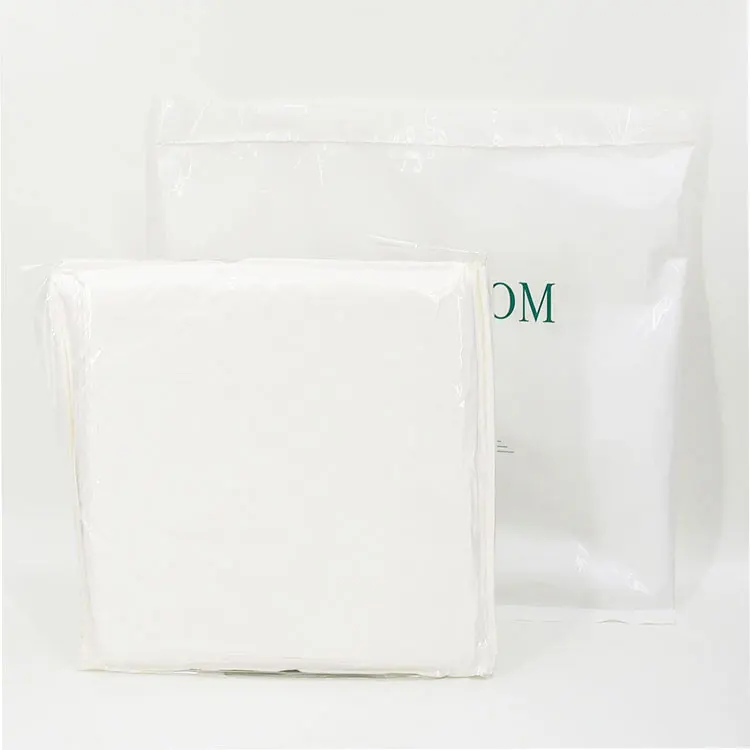
Contamination Control Foundations in Semiconductor Manufacturing
Semiconductor manufacturing environments operate at the limits of precision, where microscopic contamination and electrostatic discharge can directly impact yield, reliability, and device performance. Within cleanrooms, every material that enters the process area must serve a defined contamination-control purpose. Esd Cleanroom Wipers play a critical role in maintaining surface cleanliness, reducing particle generation, and controlling electrostatic risks during sensitive semiconductor processes. Their importance extends beyond routine cleaning, influencing process stability, product consistency, and long-term operational efficiency.
Understanding Electrostatic and Particle Risks in Semiconductor Processes
Electrostatic Discharge and Its Impact on Sensitive Components
Electrostatic discharge is one of the most underestimated threats in semiconductor fabrication. Even low-level static charges can damage integrated circuits, alter electrical characteristics, or cause latent defects that are difficult to detect during final testing. In cleanroom environments, static can accumulate through human movement, airflow, and contact with non-dissipative materials.
Esd Cleanroom Wipers are engineered to minimize electrostatic buildup during wiping and handling tasks. By dissipating static charges rather than allowing them to accumulate, these wipers help protect wafers, tools, and work surfaces from sudden discharge events that could compromise sensitive semiconductor structures.
Particle Contamination and Yield Loss
Particle contamination is another major risk in semiconductor processes. Micron-level particles can cause pattern defects, bridging, or open circuits on wafers. Routine cleaning of benches, tools, and enclosures is essential to maintain cleanroom classification levels.
Esd Cleanroom Wipers are designed to generate minimal lint and particles during use. Their controlled fiber structure ensures that cleaning activities reduce contamination rather than introduce new particles, directly supporting higher yield and process consistency.

Material Design Principles of Esd Cleanroom Wipers
Fiber Structure and Low-Particle Performance
The performance of Esd Cleanroom Wipers begins with fiber selection and fabric construction. Specialized synthetic fibers are processed to create tightly controlled structures that resist shedding and fraying. This design minimizes loose fibers that could become airborne or settle on sensitive surfaces.
Low-particle performance is verified through standardized testing, ensuring that Esd Cleanroom Wipers meet strict cleanroom requirements. This reliability allows operators to perform cleaning tasks confidently without compromising environmental control.
Conductive and Dissipative Properties
Unlike standard cleanroom wipes, Esd Cleanroom Wipers incorporate conductive or static-dissipative elements within the material. These properties allow static charges generated during wiping to be safely dissipated.
By maintaining controlled surface resistivity, Esd Cleanroom Wipers prevent charge accumulation that could otherwise transfer to wafers or equipment. This feature is particularly important when cleaning tools and fixtures located near active semiconductor processes.
Why Standard Wipers Are Not Sufficient
Limitations of Conventional Cleanroom Wipes
Conventional cleanroom wipes focus primarily on particle control and absorbency. While they may perform well in less sensitive environments, they lack the electrostatic control required for semiconductor applications.
Using non-ESD wipes in critical areas can introduce uncontrolled static risks. Even if particle levels remain low, electrostatic discharge can still occur, leading to hidden defects and long-term reliability issues.
Risk Amplification in Advanced Process Nodes
As semiconductor geometries shrink, tolerance for contamination and electrostatic events decreases. Advanced process nodes are more vulnerable to minor disturbances, making material selection increasingly important.
Esd Cleanroom Wipers address these heightened sensitivities by combining particle control with electrostatic management. This dual-function approach aligns with the demands of modern semiconductor manufacturing.
Application Scenarios for Esd Cleanroom Wipers
Wafer Handling and Processing Areas
Wafer handling zones require meticulous cleanliness and static control. Operators frequently clean work surfaces, carriers, and tools to prevent contamination transfer.
Esd Cleanroom Wipers provide a safe solution for these tasks. Their controlled properties ensure that cleaning activities do not introduce static or particles that could affect wafer integrity during critical process steps.
Equipment Maintenance and Tool Cleaning
Routine maintenance of semiconductor equipment involves wiping chambers, panels, and fixtures. These tasks often occur near sensitive electronics and exposed components.
Using Esd Cleanroom Wipers during maintenance reduces the risk of electrostatic damage while maintaining clean surfaces. This supports stable equipment performance and reduces unplanned downtime caused by ESD-related failures.
Supporting Cleanroom Protocols and Compliance
Alignment with Cleanroom Standards
Cleanroom operations are governed by strict standards that define acceptable particle levels and material behavior. Esd Cleanroom Wipers are manufactured to align with these requirements, supporting compliance across semiconductor facilities.
Consistency in wiping materials simplifies protocol enforcement. When operators rely on approved Esd Cleanroom Wipers, process engineers can better control contamination variables within the cleanroom.
Reducing Variability in Cleaning Processes
Variability in cleaning materials can lead to inconsistent results. Differences in linting behavior or static properties may introduce unpredictable risks.
Standardizing on Esd Cleanroom Wipers reduces this variability. Uniform material performance ensures that cleaning outcomes remain consistent across shifts, operators, and process areas.
Absorbency and Chemical Compatibility
Managing Solvents and Cleaning Agents
Semiconductor cleaning often involves specialized solvents and chemical agents. Wipers must absorb liquids effectively without degrading or releasing contaminants.
Esd Cleanroom Wipers are designed to maintain structural integrity when exposed to common cleanroom chemicals. Their absorbency supports efficient cleaning while preventing residue or fiber release.
Preventing Chemical-Induced Static Issues
Certain solvents can exacerbate static generation during wiping. Esd Cleanroom Wipers mitigate this risk by maintaining dissipative properties even when saturated.
This balance between chemical compatibility and electrostatic control is essential for safe and effective cleaning in semiconductor environments.
Impact on Yield and Process Stability
Minimizing Defect Introduction
Every cleaning action carries the potential to introduce defects if materials are not properly selected. Esd Cleanroom Wipers reduce this risk by controlling both particles and static.
By lowering the probability of contamination and electrostatic damage, these wipers contribute directly to higher wafer yield and more predictable process outcomes.
Supporting Long-Term Process Control
Stable processes depend on controlling minor variables. Over time, small inconsistencies can accumulate into significant yield losses.
Consistent use of Esd Cleanroom Wipers helps maintain controlled conditions across production cycles. This stability supports continuous improvement initiatives and long-term manufacturing efficiency.
Operator Safety and Ergonomic Considerations
Reducing Handling Risks
Operators interact frequently with cleanroom materials. Esd Cleanroom Wipers are designed for comfortable handling, reducing fatigue during repetitive cleaning tasks.
Their controlled properties also reduce the likelihood of unexpected static shocks, improving operator safety and confidence when working near sensitive equipment.
Supporting Training and Best Practices
Clear differentiation between standard wipes and Esd Cleanroom Wipers simplifies training. Operators learn to associate specific materials with defined tasks, reinforcing correct cleanroom behavior.
This clarity supports adherence to best practices and reduces the chance of material misuse in critical areas.
Cost Efficiency Beyond Initial Purchase
Avoiding Hidden Costs of Defects
While Esd Cleanroom Wipers may have a higher unit cost than standard wipes, their value lies in defect prevention. A single ESD-related failure can outweigh the cost difference many times over.
By reducing yield loss and equipment damage, Esd Cleanroom Wipers contribute to overall cost efficiency across semiconductor operations.
Supporting Predictable Maintenance Budgets
Unplanned downtime and rework introduce budget uncertainty. Materials that reduce risk help stabilize maintenance and quality costs.
Consistent use of Esd Cleanroom Wipers supports predictable operations, allowing manufacturers to plan resources more effectively.
Integration into Cleanroom Supply Strategies
Standardization Across Facilities
Large semiconductor manufacturers often operate multiple facilities. Standardizing on Esd Cleanroom Wipers across sites simplifies procurement and quality control.
Uniform materials support consistent process behavior, regardless of location, strengthening global manufacturing alignment.
Supplier Reliability and Quality Assurance
Reliable supply of Esd Cleanroom Wipers ensures uninterrupted operations. Quality assurance processes verify that each batch meets defined performance criteria.
This reliability is essential in semiconductor environments where material substitution can introduce unacceptable risk.
Addressing Common Misconceptions
Perception of Wipers as Low-Impact Consumables
Wipers are sometimes viewed as low-impact consumables. In reality, their influence on contamination and electrostatic control makes them critical process materials.
Esd Cleanroom Wipers demonstrate how even simple tools play a strategic role in advanced manufacturing environments.
Overreliance on Environmental Controls Alone
Cleanroom airflow and grounding systems are essential, but they cannot eliminate all electrostatic risks. Materials in direct contact with surfaces remain a key factor.
Esd Cleanroom Wipers complement environmental controls by managing static at the point of contact, closing gaps in overall ESD protection.
Role in Continuous Improvement Programs
Supporting Process Audits and Optimization
Process audits often identify contamination control as an area for improvement. Material upgrades, including Esd Cleanroom Wipers, offer practical enhancements without major equipment changes.
These incremental improvements support continuous optimization efforts within semiconductor facilities.
Data-Driven Quality Improvements
Reduced defect rates and improved yield provide measurable evidence of effective contamination control. Esd Cleanroom Wipers contribute to these metrics by addressing common root causes of process variation.
Their impact can be observed over time through quality data and performance indicators.
FAQ
Selection Criteria for Esd Cleanroom Wipers
Selection should consider particle generation levels, surface resistivity, absorbency, and chemical compatibility. Matching these factors to process requirements ensures effective performance.
Differences Between ESD and Non-ESD Cleanroom Wipers
Esd Cleanroom Wipers provide controlled static dissipation in addition to low-particle performance. Non-ESD wipes lack this electrostatic protection, increasing risk in semiconductor processes.
Proper Handling and Storage Practices
Esd Cleanroom Wipers should be stored in clean, controlled environments and handled according to cleanroom protocols to preserve their properties and effectiveness.
Table of Contents
- Contamination Control Foundations in Semiconductor Manufacturing
- Understanding Electrostatic and Particle Risks in Semiconductor Processes
- Material Design Principles of Esd Cleanroom Wipers
- Why Standard Wipers Are Not Sufficient
- Application Scenarios for Esd Cleanroom Wipers
- Supporting Cleanroom Protocols and Compliance
- Absorbency and Chemical Compatibility
- Impact on Yield and Process Stability
- Operator Safety and Ergonomic Considerations
- Cost Efficiency Beyond Initial Purchase
- Integration into Cleanroom Supply Strategies
- Addressing Common Misconceptions
- Role in Continuous Improvement Programs
- FAQ