
 EN
EN



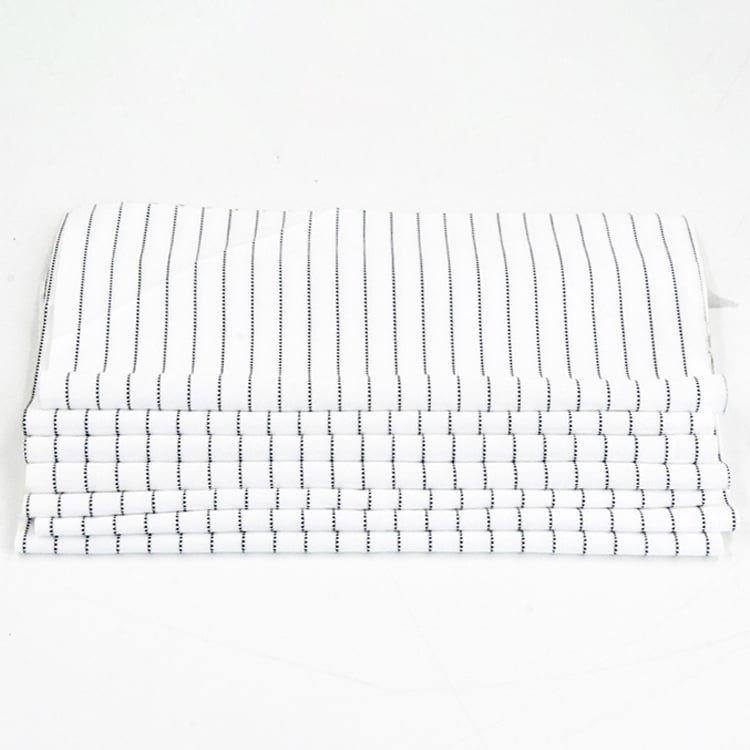
In today's high-tech manufacturing environments, maintaining cleanliness and controlling electrostatic discharge is paramount to product quality and operational efficiency. The esd cleanroom wiper has become an indispensable tool across industries ranging from semiconductor fabrication to pharmaceutical manufacturing. These specialized cleaning materials combine the particle-controlling properties of cleanroom-grade textiles with the static-dissipative characteristics necessary for sensitive electronic applications. Understanding the proper implementation and selection of esd cleanroom wiper solutions can significantly impact contamination control protocols and overall production yields.

Understanding ESD Cleanroom Wiper Technology
Material Composition and Static Dissipative Properties
The foundation of any effective esd cleanroom wiper lies in its specialized material composition, typically incorporating conductive or static-dissipative fibers woven into a cleanroom-compatible substrate. These wipers are manufactured using advanced polyester microfibers that have been treated with conductive elements or blended with inherently dissipative materials. The resulting fabric maintains low surface resistivity while providing excellent particle retention and absorption capabilities. Manufacturing processes ensure that each esd cleanroom wiper meets stringent electrical resistance specifications, typically ranging from 10^6 to 10^12 ohms per square, effectively preventing static charge accumulation during cleaning operations.
Quality control measures during production involve rigorous testing of electrical properties alongside traditional cleanroom performance metrics. The microfiber construction provides superior cleaning efficiency compared to conventional materials, with each fiber measuring less than one denier in diameter. This ultra-fine structure creates millions of microscopic cleaning surfaces that effectively capture and retain submicron particles without redistributing contamination. The esd cleanroom wiper design incorporates sealed edges to prevent fiber shedding, ensuring that the cleaning process does not introduce additional particulate matter into the controlled environment.
Performance Standards and Certification Requirements
Industry standards governing esd cleanroom wiper performance encompass both cleanliness specifications and electrostatic discharge characteristics, with organizations like IEST and ASTM establishing comprehensive testing protocols. These standards evaluate parameters including particle generation, absorption capacity, chemical compatibility, and static decay rates under controlled laboratory conditions. Certification processes require extensive documentation of manufacturing procedures, material sourcing, and quality assurance protocols to ensure consistent performance across production batches. The esd cleanroom wiper must demonstrate compliance with Class 10 to Class 10,000 cleanroom requirements while maintaining effective static dissipation properties throughout its operational lifecycle.
Third-party testing laboratories conduct regular audits of manufacturing facilities and perform batch testing to verify ongoing compliance with established specifications. These evaluations include assessments of ionic contamination levels, extractable organic compounds, and long-term stability under various environmental conditions. The certification process also examines packaging integrity and sterility maintenance for applications requiring gamma irradiation or ethylene oxide sterilization. Documentation accompanying each esd cleanroom wiper batch includes detailed test results, traceability information, and handling recommendations to support end-user validation requirements.
Applications Across Critical Industries
Semiconductor and Electronics Manufacturing
Semiconductor fabrication facilities represent the most demanding application environment for esd cleanroom wiper technology, where even minute levels of contamination or static discharge can result in catastrophic yield losses. These manufacturing processes require cleaning materials capable of removing ionic residues, organic films, and particulate matter from wafer surfaces, processing equipment, and facility infrastructure without introducing additional contamination sources. The esd cleanroom wiper serves multiple functions in these environments, from routine surface cleaning to critical pre-processing preparation steps that directly impact device performance and reliability.
Specific applications include photomask cleaning, where residual particles or static charges can cause pattern defects affecting multiple wafer lots throughout the production cycle. Equipment maintenance procedures rely on specialized cleaning protocols using esd cleanroom wiper materials to remove process residues from chamber components, vacuum systems, and handling robotics. The static-dissipative properties become particularly critical during cleaning operations near sensitive electronic components, where conventional cleaning materials could generate sufficient static electricity to damage integrated circuits or disrupt automated handling systems. Process engineers carefully select esd cleanroom wiper specifications based on specific application requirements, including solvent compatibility, particle retention efficiency, and electrical characteristics.
Pharmaceutical and Biotechnology Applications
Pharmaceutical manufacturing environments present unique challenges for cleaning material selection, combining stringent contamination control requirements with strict regulatory compliance obligations and product safety considerations. The esd cleanroom wiper must demonstrate compatibility with pharmaceutical-grade solvents and disinfectants while maintaining its static-dissipative properties throughout repeated exposure cycles. Aseptic processing areas require cleaning materials that can withstand sterilization procedures without degrading performance or releasing extractable compounds that could compromise product purity or patient safety.
Biotechnology applications often involve sensitive analytical instrumentation and automated systems where static discharge could interfere with precision measurements or damage expensive electronic components. The esd cleanroom wiper provides essential protection for laboratory equipment, sample preparation areas, and quality control testing environments. Validation protocols for pharmaceutical applications require extensive documentation of cleaning material performance, including studies demonstrating effective removal of active pharmaceutical ingredients, cleaning agent residues, and microbial contamination. Regulatory submissions must include detailed specifications for all cleaning materials used in production areas, making the selection and qualification of appropriate esd cleanroom wiper products a critical component of facility design and operation.
Selection Criteria and Implementation Strategies
Technical Specifications and Performance Requirements
Selecting the appropriate esd cleanroom wiper for specific applications requires careful evaluation of multiple technical parameters that directly impact cleaning effectiveness and contamination control performance. Surface resistivity measurements provide fundamental insight into static dissipation capabilities, with optimal values varying based on the sensitivity of equipment and materials being cleaned. Particle generation testing quantifies the potential for cleaning materials to contribute contamination, while absorption capacity determines the efficiency of liquid removal and surface drying operations. Chemical compatibility assessments ensure that cleaning solvents and disinfectants will not degrade the esd cleanroom wiper or compromise its performance characteristics.
Size and format considerations include evaluating available dimensions, edge treatments, and packaging configurations to optimize handling efficiency and minimize waste generation. Pre-saturated options provide consistent solvent application and eliminate the risk of over-saturation or uneven distribution during cleaning operations. The selection process should also consider the frequency of use, storage requirements, and disposal protocols to ensure overall cost-effectiveness and environmental compliance. Documentation requirements for each esd cleanroom wiper specification include detailed material safety data sheets, performance test results, and recommended handling procedures to support user training and standard operating procedure development.
Integration with Existing Contamination Control Protocols
Successful implementation of esd cleanroom wiper technology requires seamless integration with established contamination control protocols and quality management systems already in place within the facility. Training programs must address proper handling techniques, storage requirements, and disposal procedures to maximize cleaning effectiveness while maintaining compliance with environmental and safety regulations. Standard operating procedures should specify appropriate cleaning sequences, solvent selection criteria, and documentation requirements to ensure consistent results across all shifts and personnel. The integration process includes evaluating existing cleaning equipment compatibility and potentially modifying dispensing systems to accommodate new esd cleanroom wiper formats or packaging configurations.
Change control procedures must document the transition from previous cleaning materials to new esd cleanroom wiper products, including validation studies demonstrating equivalent or improved performance in actual production environments. Risk assessments should evaluate potential impacts on product quality, process reliability, and regulatory compliance to identify any additional monitoring or control measures required during the implementation phase. Supplier qualification processes must verify the reliability of esd cleanroom wiper sources, including assessment of manufacturing capabilities, quality systems, and supply chain resilience to ensure uninterrupted availability of critical cleaning materials.
Best Practices for Optimal Performance
Proper Handling and Storage Techniques
Maintaining the integrity and performance characteristics of esd cleanroom wiper materials requires adherence to specific handling and storage protocols designed to preserve their static-dissipative properties and cleanliness levels. Storage environments must maintain controlled temperature and humidity conditions to prevent degradation of conductive treatments or moisture absorption that could compromise electrical characteristics. Packaging integrity plays a crucial role in preserving product quality, with sealed containers protecting against airborne contamination while maintaining the low-outgassing properties essential for cleanroom applications. Personnel handling procedures should minimize direct contact and incorporate appropriate personal protective equipment to prevent contamination transfer.
Inventory management systems should implement first-in-first-out rotation protocols to ensure optimal product freshness and prevent storage-related degradation of esd cleanroom wiper performance. Environmental monitoring of storage areas should include regular assessments of temperature, humidity, and air quality to identify potential issues before they impact product integrity. Transportation and distribution procedures must maintain cold chain requirements where applicable and protect materials from physical damage or contamination during handling operations. Documentation systems should track storage conditions, handling events, and environmental exposures to support investigation of any performance issues or quality complaints.
Cleaning Technique Optimization
Achieving maximum cleaning effectiveness with esd cleanroom wiper materials requires implementation of proven techniques that leverage their unique properties while minimizing the risk of cross-contamination or static discharge events. Cleaning patterns should follow systematic approaches that ensure complete surface coverage without unnecessary overlap or repetition that could redistribute contamination. Pressure application must be carefully controlled to achieve effective particle removal without damaging delicate surfaces or overwhelming the absorption capacity of the esd cleanroom wiper material. Solvent selection and application methods should complement the specific characteristics of the cleaning material to optimize both cleaning performance and static dissipation effectiveness.
Quality control measures during cleaning operations include visual inspection procedures, surface cleanliness verification methods, and periodic testing of electrical properties to confirm ongoing static dissipation performance. Training programs should emphasize the importance of proper technique and provide hands-on practice opportunities to develop proficiency in esd cleanroom wiper use. Performance monitoring systems can track cleaning effectiveness metrics, consumption rates, and any incidents or deviations to identify opportunities for continuous improvement. Regular review of cleaning procedures should incorporate feedback from operators, quality assurance personnel, and equipment maintenance teams to refine techniques and address emerging challenges.
Quality Assurance and Validation
Testing and Verification Protocols
Comprehensive quality assurance programs for esd cleanroom wiper materials encompass both incoming inspection procedures and ongoing performance verification activities designed to ensure consistent results throughout the product lifecycle. Incoming inspection protocols should verify key performance characteristics including surface resistivity measurements, particle generation levels, and chemical compatibility with specified solvents and cleaning agents. Statistical sampling plans provide confidence in batch quality while minimizing inspection costs and material consumption. Documentation requirements include detailed test records, certificate of analysis information, and traceability data linking each batch to specific manufacturing conditions and raw material sources.
Performance verification activities include regular testing of cleaning effectiveness using standardized contamination challenges and objective measurement techniques. Static decay rate measurements confirm ongoing electrostatic dissipation performance under actual use conditions, while particle counting procedures verify the continued effectiveness of contamination removal capabilities. Environmental monitoring programs should assess the impact of storage conditions, handling procedures, and aging effects on esd cleanroom wiper performance characteristics. Trend analysis of quality data can identify potential issues before they impact production operations and support continuous improvement initiatives focused on optimizing cleaning material performance.
Regulatory Compliance and Documentation
Regulatory compliance requirements for esd cleanroom wiper materials vary significantly across industries and geographic regions, necessitating comprehensive documentation systems that support audit readiness and product traceability throughout the supply chain. Pharmaceutical applications require extensive validation data demonstrating cleaning effectiveness, residue removal capabilities, and compatibility with sterilization processes used in aseptic manufacturing environments. Medical device manufacturing may require additional biocompatibility testing and documentation of extractable compounds that could potentially impact patient safety or device performance. Semiconductor applications focus primarily on cleanliness specifications and static control performance rather than biocompatibility considerations.
Documentation systems should maintain complete records of supplier qualifications, material specifications, performance test results, and change control activities affecting esd cleanroom wiper procurement or use. Audit preparation procedures must ensure ready access to all relevant documentation and provide clear linkages between cleaning material performance and product quality outcomes. Regulatory submission requirements may include detailed descriptions of cleaning procedures, material specifications, and validation study results demonstrating effective contamination control. Training records should document personnel qualifications and competency assessments related to proper handling and use of specialized cleaning materials in controlled environments.
FAQ
What makes an esd cleanroom wiper different from standard cleaning cloths
An esd cleanroom wiper incorporates conductive or static-dissipative fibers that prevent static charge accumulation during cleaning operations, while maintaining the low particle generation and high absorption characteristics required for cleanroom applications. Standard cleaning cloths lack these electrical properties and typically generate unacceptable levels of lint or particles when used in controlled environments. The specialized manufacturing processes and materials used in esd cleanroom wiper production result in significantly higher costs but provide essential protection for sensitive electronic components and processes.
How should esd cleanroom wipers be stored to maintain their effectiveness
Proper storage of esd cleanroom wiper materials requires controlled temperature and humidity conditions, typically between 15-25°C and 30-70% relative humidity, to preserve both cleanliness and electrical properties. Storage areas should be clean, dry, and protected from contamination sources, with sealed packaging maintained until use. Inventory rotation using first-in-first-out procedures prevents age-related degradation, while environmental monitoring ensures storage conditions remain within acceptable limits throughout the product lifecycle.
Can esd cleanroom wipers be reused or are they single-use only
Most esd cleanroom wiper products are designed for single-use applications to prevent cross-contamination and maintain optimal cleaning performance, though some specialized formats may support limited reuse under controlled conditions. Reuse considerations include the potential for contamination accumulation, degradation of static-dissipative properties through repeated exposure to solvents, and the risk of introducing contaminants from previous cleaning operations. Cost-benefit analysis should weigh the expense of single-use materials against the risk of contamination incidents or quality issues associated with reuse protocols.
What testing should be performed to verify esd cleanroom wiper performance
Performance testing for esd cleanroom wiper materials should include surface resistivity measurements to verify static dissipation capabilities, particle generation testing using standardized methods, and absorption capacity evaluation under actual use conditions. Additional testing may include chemical compatibility assessments with specified solvents, extractable compound analysis for pharmaceutical applications, and accelerated aging studies to determine shelf life characteristics. Regular verification testing during use helps ensure continued performance and identifies any issues requiring corrective action or material replacement.