
 EN
EN



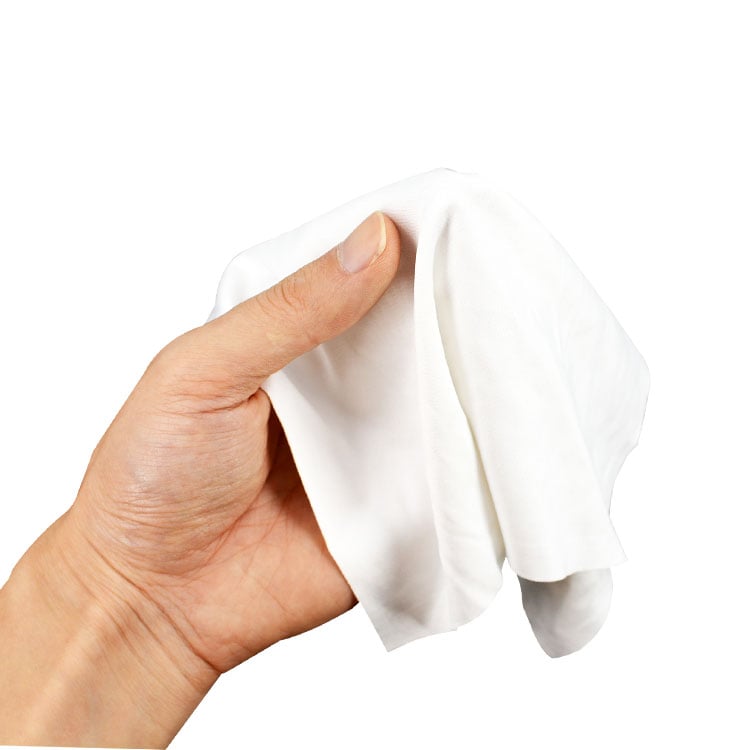
Industrial environments demand precise cleaning solutions that maintain operational efficiency while ensuring product quality and safety standards. The microfiber wiper has emerged as an indispensable tool across diverse manufacturing sectors, offering superior cleaning capabilities compared to traditional cloth materials. These specialized cleaning products combine advanced synthetic fiber technology with practical design features that address the most challenging industrial cleaning requirements. Understanding the specific applications and benefits of microfiber wiper technology enables facility managers and maintenance professionals to optimize their cleaning protocols while reducing operational costs and improving workplace safety standards.

Electronics Manufacturing and Semiconductor Production
Cleanroom Environment Applications
Semiconductor fabrication facilities rely heavily on microfiber wiper technology to maintain the ultra-clean environments essential for chip production. These controlled environments require contamination-free cleaning solutions that remove particles without introducing static electricity or leaving residue. The microfiber wiper excels in these applications due to its electrostatic properties and lint-free construction, which prevents microscopic particles from interfering with delicate electronic components during manufacturing processes.
Critical surface preparation in semiconductor cleanrooms involves multiple cleaning stages where each microfiber wiper must perform consistently without degrading product quality. The synthetic fiber structure captures and retains contaminants effectively, while the anti-static properties prevent electrostatic discharge that could damage sensitive electronic circuits. Quality control protocols in these facilities often specify particular grades of microfiber wiper materials to ensure compliance with strict contamination standards and maintain production yields at acceptable levels.
Optical Component Cleaning
Precision optical manufacturing requires specialized cleaning techniques that preserve surface integrity while removing microscopic contaminants that affect performance. Camera lens production, laser component assembly, and fiber optic manufacturing all depend on microfiber wiper technology to achieve the surface cleanliness necessary for optimal optical transmission. The fine fiber structure enables thorough cleaning without scratching delicate optical coatings or creating surface defects that compromise product functionality.
Industrial optical cleaning protocols typically incorporate multiple grades of microfiber wiper materials, each designed for specific cleaning stages in the manufacturing process. Initial contamination removal may utilize coarser fiber structures, while final polishing operations require ultra-fine microfiber wiper products that achieve mirror-like surface finishes. The consistency and reliability of these cleaning materials directly impact production efficiency and final product quality in high-precision optical manufacturing environments.
Automotive Industry Cleaning Applications
Paint Booth Maintenance
Automotive paint finishing operations demand exceptional surface preparation and contamination control to achieve consistent coating quality and appearance. Paint booth environments utilize microfiber wiper technology extensively for surface preparation, overspray removal, and equipment maintenance tasks that directly impact coating adhesion and finish quality. The lint-free properties of these cleaning materials prevent fiber contamination in wet paint surfaces, while their absorbency enables efficient removal of cleaning solvents and preparation chemicals.
Quality automotive finishes require contamination-free environments where every cleaning operation must maintain strict cleanliness standards. The microfiber wiper provides consistent performance across multiple cleaning cycles, maintaining its structural integrity and cleaning effectiveness even after exposure to aggressive automotive solvents and cleaning chemicals. This durability reduces material consumption and operational costs while ensuring reliable cleaning results throughout extended production runs.
Engine Assembly and Precision Component Cleaning
Engine manufacturing requires meticulous cleaning of precision-machined components to remove metalworking fluids, debris, and contaminants that could compromise engine performance and reliability. Microfiber wiper materials excel in these applications because they effectively remove both liquid and solid contaminants from complex geometries without leaving residue or scratching finished surfaces. The chemical resistance of synthetic microfibers enables safe use with industrial degreasers and cleaning solvents commonly employed in engine assembly operations.
Critical engine components such as cylinder heads, crankshafts, and fuel injection systems require absolute cleanliness to meet performance specifications and emissions requirements. The microfiber wiper provides consistent cleaning results across diverse component geometries, effectively removing machining oils and metal particles from threaded connections, sealing surfaces, and precision-machined features. This reliability enables automated cleaning systems to maintain consistent quality while reducing manual inspection requirements and potential assembly defects.
Pharmaceutical and Medical Device Manufacturing
Sterile Manufacturing Environment Maintenance
Pharmaceutical production facilities operate under stringent cleanliness requirements that mandate validated cleaning procedures and materials to prevent cross-contamination and ensure product safety. The microfiber wiper serves as a critical component in these cleaning protocols, providing reliable contamination removal while maintaining compatibility with sterilization processes and pharmaceutical-grade cleaning agents. These materials must demonstrate consistent performance characteristics and low particle generation to meet regulatory compliance requirements.
Sterile manufacturing areas require cleaning materials that maintain their integrity and effectiveness throughout multiple sterilization cycles without degrading or releasing particles that could contaminate pharmaceutical products. The microfiber wiper technology addresses these challenges through synthetic fiber construction that withstands gamma irradiation, autoclave sterilization, and chemical disinfection processes commonly used in pharmaceutical facilities. This durability ensures consistent cleaning performance while reducing material replacement costs and maintaining compliance with good manufacturing practices.
Medical Device Assembly and Quality Control
Medical device manufacturing demands precise cleaning protocols that remove manufacturing residues and contaminants without compromising device functionality or biocompatibility. Surgical instrument production, implant manufacturing, and diagnostic equipment assembly all rely on microfiber wiper technology to achieve the surface cleanliness required for medical applications. The lint-free construction prevents fiber contamination that could interfere with device operation or create biocompatibility issues in implanted medical devices.
Critical medical device cleaning operations often involve multiple cleaning stages where each microfiber wiper must perform consistently without introducing contaminants or affecting device performance characteristics. The chemical inertness of synthetic microfibers enables safe use with medical-grade cleaning agents and sterilization chemicals while maintaining structural integrity throughout extended cleaning cycles. This reliability supports efficient manufacturing operations while ensuring compliance with medical device quality standards and regulatory requirements.
Aerospace and Defense Applications
Aircraft Maintenance and Component Cleaning
Aircraft maintenance operations require specialized cleaning materials that remove contaminants without damaging sensitive aircraft components or introducing foreign object debris that could compromise flight safety. The microfiber wiper provides effective cleaning performance for aircraft surfaces, engine components, and avionics equipment while meeting strict aviation safety standards. These materials must demonstrate consistent performance characteristics and low lint generation to prevent contamination of critical aircraft systems during maintenance operations.
Aerospace cleaning protocols specify particular grades of microfiber wiper materials for different applications, ranging from exterior surface cleaning to precision component maintenance. Engine maintenance requires materials that withstand exposure to aviation fuels and hydraulic fluids while providing reliable contamination removal from complex internal geometries. The durability and chemical resistance of synthetic microfibers enable efficient cleaning operations while maintaining the material integrity necessary for repeated use in demanding aerospace applications.
Satellite and Space Equipment Manufacturing
Space-qualified equipment manufacturing demands ultra-clean assembly environments where contamination control directly impacts mission success and equipment reliability. Satellite component assembly, spacecraft instrument manufacturing, and space-qualified electronic systems all depend on microfiber wiper technology to maintain the contamination-free conditions essential for reliable space operations. The outgassing characteristics and particle generation properties of these materials must meet strict space qualification standards.
Critical space applications require cleaning materials that maintain their performance characteristics under extreme environmental conditions while providing reliable contamination removal throughout extended manufacturing cycles. The microfiber wiper technology addresses these requirements through specialized synthetic fiber formulations that minimize outgassing and particle generation while providing effective cleaning performance. This reliability enables consistent manufacturing quality while meeting the stringent requirements for space-qualified equipment and systems.
Food and Beverage Industry Cleaning Solutions
Food Processing Equipment Maintenance
Food processing facilities require cleaning materials that maintain strict hygiene standards while providing effective contamination removal from processing equipment and food contact surfaces. The microfiber wiper technology offers superior cleaning performance compared to traditional materials while meeting food safety requirements for direct and indirect food contact applications. These materials must demonstrate consistent cleaning effectiveness while maintaining compatibility with food-grade sanitizers and cleaning chemicals commonly used in food processing operations.
Critical food safety protocols demand cleaning materials that remove both visible contamination and microscopic pathogens that could compromise product safety and quality. The microfiber wiper provides reliable performance across diverse food processing applications, from dairy equipment cleaning to meat processing facility maintenance. The synthetic fiber construction resists bacterial growth and maintains structural integrity throughout multiple cleaning and sanitization cycles, supporting efficient cleaning operations while ensuring compliance with food safety regulations.
Beverage Production and Packaging Line Cleaning
Beverage manufacturing requires specialized cleaning protocols that maintain product quality and safety while ensuring efficient production line operation. Bottling equipment, filling systems, and packaging machinery all require regular cleaning with materials that remove product residues and contaminants without introducing foreign materials that could affect product quality. The microfiber wiper excels in these applications through its ability to remove both liquid and solid contaminants while maintaining lint-free performance throughout extended cleaning operations.
Quality beverage production depends on cleaning materials that maintain consistent performance characteristics while withstanding exposure to acidic beverages, cleaning chemicals, and sanitizing agents. The chemical resistance and durability of microfiber wiper technology enable reliable cleaning performance across diverse beverage applications, from carbonated drink production to alcoholic beverage manufacturing. This consistency supports efficient production operations while maintaining the cleanliness standards necessary for product quality and consumer safety.
Precision Manufacturing and Quality Control
Measurement and Calibration Equipment Maintenance
Precision manufacturing operations depend on accurate measurement and calibration equipment that requires specialized cleaning to maintain measurement accuracy and reliability. Coordinate measuring machines, optical comparators, and precision gauges all require cleaning materials that remove contaminants without affecting measurement surfaces or introducing errors that could compromise quality control operations. The microfiber wiper provides effective cleaning performance while maintaining the surface integrity necessary for accurate measurements.
Critical measurement operations require cleaning materials that maintain consistent performance characteristics while removing diverse contaminants from complex measurement system geometries. The fine fiber structure of microfiber wiper technology enables thorough cleaning of precision surfaces while preventing damage to delicate measurement components. This reliability supports accurate quality control operations while reducing measurement uncertainty and improving overall manufacturing quality.
Laboratory and Testing Environment Applications
Industrial testing laboratories require cleaning materials that maintain contamination-free testing environments while providing reliable contamination removal from analytical instruments and testing equipment. Spectrometers, microscopes, and analytical balances all depend on microfiber wiper technology to maintain the cleanliness necessary for accurate testing results. These materials must demonstrate low particle generation and chemical inertness to prevent interference with sensitive analytical measurements and testing procedures.
Laboratory cleaning protocols often specify particular grades of microfiber wiper materials for different applications, ranging from general surface cleaning to precision optical component maintenance. The consistency and reliability of these cleaning materials directly impact testing accuracy and laboratory efficiency, while their durability reduces material consumption and operational costs. This performance combination makes microfiber wiper technology an essential component of modern industrial testing and quality assurance operations.
FAQ
How do microfiber wipers compare to traditional cleaning cloths in industrial applications
Microfiber wipers offer significant advantages over traditional cotton or paper cleaning materials in industrial settings. The synthetic fiber construction provides superior contamination removal capabilities while maintaining lint-free performance that prevents fiber contamination in sensitive manufacturing processes. Additionally, microfiber wiper materials demonstrate greater durability and chemical resistance, enabling extended use cycles and reduced material consumption compared to disposable alternatives.
What specific properties make microfiber wipers suitable for cleanroom environments
Cleanroom applications require cleaning materials with specific performance characteristics including low particle generation, electrostatic discharge control, and chemical compatibility with cleanroom protocols. The microfiber wiper technology addresses these requirements through specialized synthetic fiber construction that minimizes particle release while providing effective contamination removal. Anti-static properties prevent electrostatic discharge that could damage sensitive electronic components, while chemical inertness ensures compatibility with cleanroom cleaning agents and sterilization processes.
How should microfiber wipers be maintained and stored for optimal performance
Proper maintenance and storage of microfiber wiper materials ensures consistent cleaning performance and extends service life in industrial applications. These materials should be stored in clean, dry environments away from potential contamination sources, while used wipers require appropriate cleaning and sterilization protocols before reuse. Many industrial facilities implement validated cleaning procedures that restore microfiber wiper performance while maintaining compliance with quality standards and contamination control requirements.
What factors should be considered when selecting microfiber wipers for specific industrial applications
Selecting appropriate microfiber wiper materials requires consideration of multiple factors including contamination requirements, chemical compatibility, and performance specifications for specific industrial applications. Critical factors include fiber density and construction, anti-static properties, sterilization compatibility, and regulatory compliance requirements. Additionally, the intended cleaning environment and contamination types influence material selection, while cost considerations and availability affect implementation decisions in industrial cleaning operations.
Table of Contents
- Electronics Manufacturing and Semiconductor Production
- Automotive Industry Cleaning Applications
- Pharmaceutical and Medical Device Manufacturing
- Aerospace and Defense Applications
- Food and Beverage Industry Cleaning Solutions
- Precision Manufacturing and Quality Control
-
FAQ
- How do microfiber wipers compare to traditional cleaning cloths in industrial applications
- What specific properties make microfiber wipers suitable for cleanroom environments
- How should microfiber wipers be maintained and stored for optimal performance
- What factors should be considered when selecting microfiber wipers for specific industrial applications