
 EN
EN



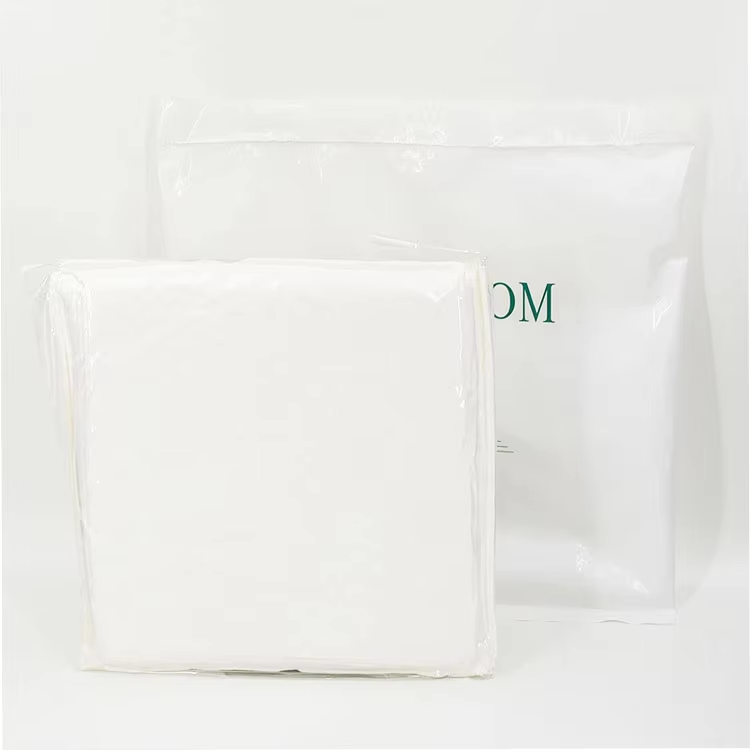
The performance characteristics of an industrial wipe are fundamentally determined by the material composition and construction methods employed during manufacturing. In today's demanding industrial environments, selecting the appropriate cleaning solution requires a comprehensive understanding of how different materials interact with various contaminants, surfaces, and operational conditions. Material choice directly influences absorbency rates, lint generation, chemical compatibility, and overall durability of cleaning products used across manufacturing facilities, laboratories, and cleanroom environments.
Understanding the relationship between material properties and cleaning performance enables facility managers to make informed purchasing decisions that optimize both operational efficiency and cost-effectiveness. The selection process involves evaluating multiple factors including fiber structure, weave patterns, absorbent capacity, and contamination control requirements specific to each industrial application.
Synthetic Material Advantages in Industrial Applications
Polyester-Based Industrial Wipe Solutions
Polyester materials offer exceptional consistency and reliability in industrial cleaning applications due to their synthetic nature and controlled manufacturing processes. Unlike natural fibers, polyester maintains uniform properties throughout production batches, ensuring predictable performance characteristics across large-scale operations. The synthetic structure provides superior resistance to chemical degradation, making these materials ideal for environments involving aggressive solvents, acids, or alkaline solutions commonly found in manufacturing processes.
The molecular structure of polyester fibers contributes to enhanced durability and reduced linting compared to traditional cotton-based alternatives. This characteristic becomes particularly important in precision manufacturing environments where particulate contamination must be minimized. Industrial facilities utilizing industrial wipe products manufactured from high-quality polyester experience fewer production interruptions due to cleaning-related contamination issues.
Microfiber Technology Integration
Advanced microfiber construction techniques enable the creation of cleaning products with enhanced surface area and improved contaminant capture capabilities. The split-fiber technology used in premium microfiber materials creates microscopic channels that effectively trap particles and absorb liquids more efficiently than conventional fiber structures. This technology proves particularly valuable in applications requiring thorough removal of oils, greases, and fine particulates from sensitive equipment surfaces.
Microfiber industrial wipe products demonstrate superior performance in electrostatic discharge sensitive environments due to their ability to generate minimal static electricity during use. The controlled fiber diameter and specialized weaving techniques reduce friction-induced charge generation, making these materials suitable for electronics manufacturing, aerospace applications, and other static-sensitive operations where conventional cleaning materials might cause damage to sensitive components.
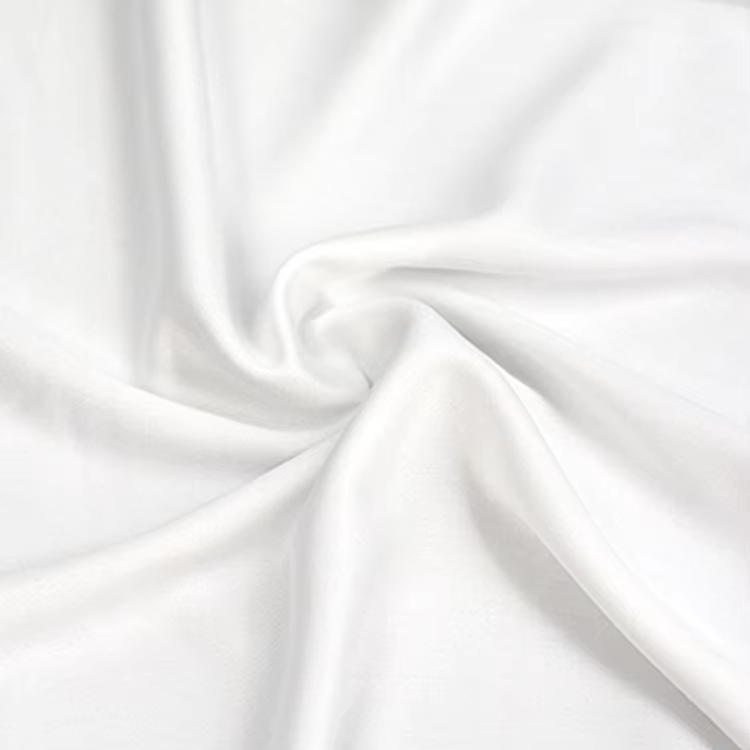
Natural Fiber Characteristics and Limitations
Cotton-Based Material Properties
Traditional cotton materials continue to find applications in industrial settings where high absorbency and biodegradability take priority over lint control and chemical resistance. Cotton fibers possess natural absorbent properties that make them effective for general-purpose cleaning tasks involving water-based solutions and moderate contamination levels. However, the natural variation in fiber quality and structure can lead to inconsistent performance between production batches.
The cellular structure of cotton fibers creates numerous microscopic spaces that provide excellent liquid retention capacity, making cotton-based industrial wipe products suitable for spill cleanup and general maintenance applications. Nevertheless, the same cellular structure that enhances absorbency also contributes to increased linting and potential contamination in precision environments where particle control is critical for product quality and process integrity.
Natural Fiber Processing Considerations
Manufacturing processes for natural fiber cleaning products require additional processing steps to minimize contamination and improve consistency. Bleaching, scouring, and mechanical treatments are often necessary to remove natural oils, waxes, and other organic compounds that could interfere with cleaning effectiveness or introduce unwanted contaminants into industrial processes. These additional processing requirements typically result in higher production costs compared to synthetic alternatives.
Environmental factors significantly impact the performance characteristics of natural fiber materials, as humidity, temperature, and storage conditions can affect absorbency, dimensional stability, and overall cleaning effectiveness. Industrial facilities operating in challenging environmental conditions may experience variable performance from natural fiber cleaning products, making synthetic alternatives more suitable for consistent operational requirements.
Performance Testing and Quality Metrics
Standardized Testing Protocols
Industry-standard testing methodologies provide objective measurements of industrial wipe performance characteristics, enabling accurate comparison between different material options. Absorbency testing protocols measure the quantity of liquid a cleaning product can retain under controlled conditions, while release testing determines how effectively absorbed contaminants can be removed through washing or disposal. These standardized measurements help facility managers select appropriate cleaning solutions based on specific operational requirements.
Lint generation testing involves controlled abrasion procedures that simulate actual use conditions to quantify particle release rates from different material types. Industrial wipe products intended for cleanroom or precision manufacturing applications must demonstrate extremely low lint generation under rigorous testing conditions to meet stringent contamination control requirements. Advanced testing facilities utilize particle counting equipment to measure lint generation at the microscopic level, ensuring compliance with industry cleanliness standards.
Chemical Compatibility Assessment
Comprehensive chemical compatibility testing evaluates how different materials respond to exposure to various industrial chemicals, solvents, and cleaning agents commonly used in manufacturing environments. This testing process identifies potential degradation issues, color changes, or structural failures that could compromise cleaning effectiveness or introduce contamination into industrial processes. Materials demonstrating superior chemical resistance provide greater versatility and longer service life in demanding industrial applications.
Temperature resistance testing examines how material properties change under elevated temperature conditions frequently encountered in industrial cleaning applications. Industrial wipe products may be exposed to hot surfaces, heated cleaning solutions, or high-temperature drying processes that could affect their structural integrity and cleaning performance. Understanding temperature limitations helps prevent material failure and ensures consistent cleaning results across various operating conditions.
Application-Specific Material Selection
Cleanroom Environment Requirements
Cleanroom applications demand industrial wipe products manufactured from materials that generate minimal particulate contamination while maintaining effective cleaning performance. Specialized polyester and nylon materials processed under controlled conditions provide the necessary combination of low linting and high absorbency required for semiconductor manufacturing, pharmaceutical production, and precision optics applications. These materials undergo extensive washing and packaging procedures to eliminate manufacturing residues and potential contaminants.
Edge sealing technologies used in cleanroom-grade industrial wipe products prevent fiber shedding from cut edges, further reducing contamination risks in sensitive environments. Laser cutting and ultrasonic sealing techniques create smooth, sealed edges that maintain structural integrity throughout the product lifecycle while preventing particle generation during handling and use. These advanced manufacturing processes justify higher costs through improved process reliability and reduced contamination-related quality issues.
Heavy-Duty Industrial Applications
Manufacturing environments involving heavy machinery, metalworking operations, and maintenance activities require industrial wipe products capable of handling aggressive contaminants and repeated use cycles. Reinforced material constructions incorporating synthetic fibers and specialized weaving techniques provide enhanced durability and tear resistance necessary for demanding cleaning tasks. These materials must withstand exposure to cutting oils, hydraulic fluids, and abrasive particles without compromising their cleaning effectiveness.
High-capacity absorbent materials designed for heavy-duty applications often incorporate multi-layer constructions that combine different fiber types to optimize both absorption and retention characteristics. The outer layers provide durability and chemical resistance, while inner layers maximize liquid capacity and prevent breakthrough contamination. This engineered approach enables industrial wipe products to handle larger spills and more aggressive cleaning tasks while maintaining structural integrity throughout the cleaning process.
Cost-Benefit Analysis of Material Options
Total Cost of Ownership Considerations
Evaluating industrial wipe material options requires comprehensive analysis of total ownership costs rather than simple per-unit purchase prices. Higher-quality synthetic materials may command premium pricing but often provide superior cleaning effectiveness, reduced consumption rates, and longer service life that result in lower overall operational costs. Facility managers must consider factors including cleaning efficiency, contamination prevention, and waste disposal costs when comparing different material options.
Labor efficiency improvements associated with high-performance industrial wipe products can generate significant cost savings through reduced cleaning time and improved first-pass cleaning effectiveness. Materials that require fewer cleaning cycles or provide more thorough contaminant removal reduce labor costs and minimize production downtime associated with cleaning activities. These operational benefits often justify higher material costs through improved overall productivity and reduced maintenance requirements.
Environmental Impact and Sustainability
Sustainability considerations increasingly influence material selection decisions as industrial facilities seek to reduce environmental impact while maintaining operational effectiveness. Biodegradable natural fiber materials offer environmental advantages but may require more frequent replacement and generate higher overall waste volumes due to reduced durability. Synthetic materials provide longer service life and reduced consumption rates but present different environmental challenges related to disposal and recycling.
Reusable industrial wipe products manufactured from durable synthetic materials can significantly reduce waste generation compared to single-use alternatives, particularly in applications where contamination levels permit multiple use cycles. Advanced washing and reconditioning processes enable these materials to maintain cleaning effectiveness through multiple use cycles, providing both environmental and economic benefits for facilities with appropriate washing infrastructure and contamination control procedures.
FAQ
What factors determine the absorbency capacity of different industrial wipe materials
Absorbency capacity depends on fiber structure, material density, and manufacturing processes used during production. Synthetic materials like polyester can be engineered with specific pore sizes and surface treatments to optimize liquid absorption rates. Natural fibers possess inherent cellular structures that provide good absorbency but with less consistency between batches. Industrial wipe performance also varies based on the type of liquid being absorbed, with some materials performing better with oils while others excel with water-based solutions.
How does lint generation vary between synthetic and natural fiber cleaning products
Synthetic materials generally produce significantly less lint than natural fiber alternatives due to their controlled manufacturing processes and uniform fiber structure. Cotton-based products tend to shed more particles, especially when new or when exposed to abrasive surfaces. Advanced synthetic materials undergo specialized processing to minimize fiber release, making them suitable for cleanroom and precision manufacturing applications where contamination control is critical.
Which material types offer the best chemical resistance for industrial cleaning applications
Polyester and nylon-based industrial wipe products typically provide superior chemical resistance compared to natural fiber alternatives. These synthetic materials resist degradation from acids, bases, and most organic solvents commonly encountered in industrial environments. Polypropylene materials offer excellent chemical compatibility but may have different absorbency characteristics. The specific chemical resistance requirements should be evaluated based on the actual cleaning agents and contaminants present in each application.
What are the key performance differences between woven and non-woven industrial wipe materials
Woven materials provide greater durability and tear resistance, making them suitable for aggressive cleaning tasks and reusable applications. Non-woven materials often offer superior absorbency and conformability to irregular surfaces but may have reduced strength for heavy-duty applications. The choice between woven and non-woven construction should consider the specific cleaning requirements, surface types, and expected service life for each industrial wipe application.
Table of Contents
- Synthetic Material Advantages in Industrial Applications
- Natural Fiber Characteristics and Limitations
- Performance Testing and Quality Metrics
- Application-Specific Material Selection
- Cost-Benefit Analysis of Material Options
-
FAQ
- What factors determine the absorbency capacity of different industrial wipe materials
- How does lint generation vary between synthetic and natural fiber cleaning products
- Which material types offer the best chemical resistance for industrial cleaning applications
- What are the key performance differences between woven and non-woven industrial wipe materials