
 EN
EN



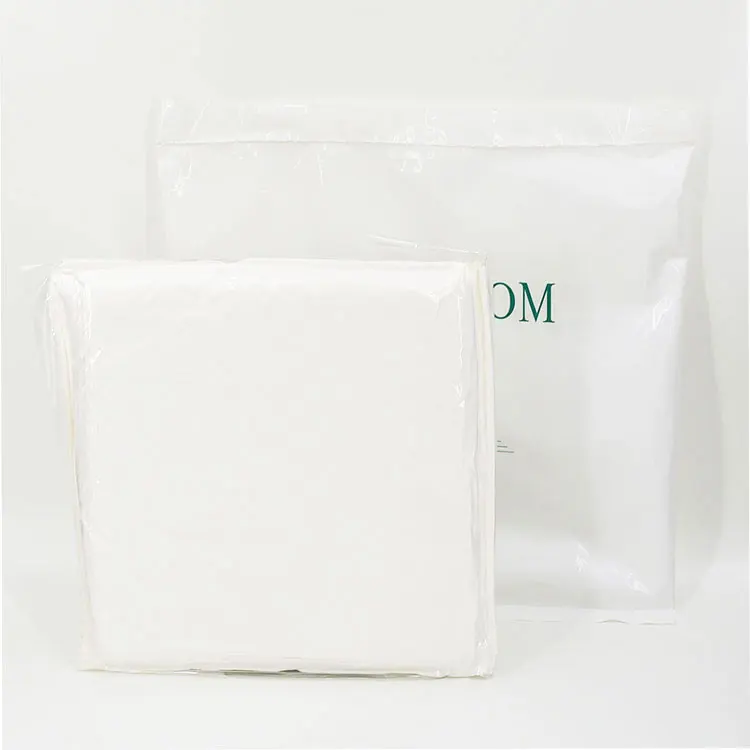
Everyday Cleanliness Matters in Laboratory Work
In a laboratory, cleanliness is not just about keeping things tidy. It directly affects test accuracy, equipment lifespan, and even safety. Dust, fibers, and static electricity can quietly interfere with experiments, sensitive instruments, and electronic components. That is why choosing the right Anti-Static Dust-Free Cleaning Cloth is a practical decision, not a minor detail. A suitable Anti-Static Dust-Free Cleaning Cloth helps labs control particles, reduce static buildup, and maintain consistent working conditions day after day.
Below, we will walk through how laboratories can realistically and confidently select the right Anti-Static Dust-Free Cleaning Cloth, using plain language and practical considerations rather than abstract technical claims.
Why Cleaning Cloth Choice Is Critical in Labs
Static and Dust Are Invisible Problems
Static electricity is easy to ignore because it cannot be seen. However, static charges pull airborne dust toward surfaces, especially in dry environments. When dust settles on instruments, samples, or optical components, results can be affected without obvious warning. An Anti-Static Dust-Free Cleaning Cloth helps neutralize static while wiping, reducing the chance that dust immediately returns after cleaning.
Dust itself is another silent issue. Ordinary cloths often shed fibers, which creates more contamination than they remove. A proper Anti-Static Dust-Free Cleaning Cloth is designed to clean without leaving anything behind.
Cleaning Cloths Affect Daily Efficiency
Cleaning is a routine task, but the tools used matter. If a cloth leaves streaks, fibers, or residue, technicians may need to clean the same surface repeatedly. A reliable Anti-Static Dust-Free Cleaning Cloth improves efficiency by doing the job right the first time. Over time, this saves effort, reduces frustration, and supports smoother lab workflows.

What Makes an Anti-Static Dust-Free Cleaning Cloth Different
Fabric Structure and Lint Control
Not all cloths are created equal. A true Anti-Static Dust-Free Cleaning Cloth uses tightly controlled fabric structures such as microfiber or specialized polyester knits. These materials are designed to trap particles inside the cloth instead of pushing them around.
Loose fabrics or low-quality wipes may look clean, but they often release lint under pressure. In a lab environment, even tiny fibers can be problematic.
How Anti-Static Performance Works
Anti-static performance usually comes from either embedded conductive fibers or surface-treated materials. Embedded fibers tend to offer longer-lasting static control, while surface treatments may wear off after repeated use or washing.
When selecting an Anti-Static Dust-Free Cleaning Cloth, labs should consider how often the cloth will be used and whether consistent static control over time is required.
Matching the Cloth to Your Lab Environment
Different Labs Have Different Needs
A teaching lab, a pharmaceutical lab, and an electronics lab do not face the same risks. Some environments mainly need basic dust control, while others require strict particle and static management. An Anti-Static Dust-Free Cleaning Cloth should match the sensitivity level of the application.
Using a cloth that exceeds requirements can increase costs without meaningful benefit. Using one that falls short can introduce risk. Balance is key.
Cleanroom and Controlled Area Considerations
In cleanrooms or controlled areas, cleaning materials are often regulated. An Anti-Static Dust-Free Cleaning Cloth should meet internal cleanliness standards and fit into existing cleaning protocols.
Compatibility with cleanroom procedures, approved solvents, and disposal methods makes daily compliance easier for lab staff.
Chemical Compatibility and Solvent Use
How Cloths React to Common Solvents
Laboratories frequently use solvents like isopropyl alcohol or ethanol during cleaning. A good Anti-Static Dust-Free Cleaning Cloth should maintain its structure and performance when exposed to these chemicals.
If the cloth breaks down, sheds fibers, or leaves residue after solvent contact, it becomes a liability instead of a solution.
Avoiding Residue and Cross-Contamination
Some low-quality wipes release extractables or chemical residues. In analytical or optical applications, this can affect measurements or damage surfaces. A reliable Anti-Static Dust-Free Cleaning Cloth is designed to wipe clean without transferring unwanted substances.
Absorbency and Practical Cleaning Performance
Handling Liquids Without Spreading Them
Absorbency matters more than people realize. A well-designed Anti-Static Dust-Free Cleaning Cloth absorbs liquids efficiently without dripping or smearing contaminants across the surface.
This is especially important when cleaning spills or wiping down equipment with solvents. Good absorbency improves speed and cleanliness at the same time.
Capturing Particles Instead of Moving Them
The goal of cleaning is removal, not redistribution. A quality Anti-Static Dust-Free Cleaning Cloth maintains close contact with surfaces, lifting particles and holding them inside the fabric.
Consistent thickness and texture help ensure predictable cleaning results, regardless of who is performing the task.
Reusable or Disposable Cloths
When Reusable Cloths Make Sense
Reusable Anti-Static Dust-Free Cleaning Cloths can be cost-effective in environments with controlled laundering processes. However, reuse requires strict washing, drying, and storage procedures to avoid reintroducing contamination.
Labs should honestly assess whether they have the systems in place to manage reusable cloths properly.
Why Single-Use Cloths Are Often Preferred
Single-use Anti-Static Dust-Free Cleaning Cloths remove uncertainty. There is no concern about previous contamination, reduced static performance, or improper washing.
In high-sensitivity environments, disposables often provide better consistency and lower overall risk, even if the unit cost is higher.
Packaging, Handling, and Storage
Clean Packaging Protects Performance
Packaging is part of the product. An Anti-Static Dust-Free Cleaning Cloth should be sealed in clean packaging that protects it from dust and moisture before use.
Poor packaging can undo the benefits of a well-made cloth before it even reaches the lab bench.
Easy Dispensing Improves Workflow
Easy-to-open, well-labeled packaging reduces unnecessary handling. Less handling means lower contamination risk. Clear labeling also supports inventory control and training.
Documentation and Quality Confidence
Why Test Data Matters
Labs often need proof that a product meets specific requirements. Documentation such as particle release data or static dissipation performance helps validate an Anti-Static Dust-Free Cleaning Cloth for internal use.
This information is also valuable during audits or quality reviews.
Batch Consistency and Traceability
Consistency is essential. When performance varies from batch to batch, cleaning results become unpredictable. A dependable Anti-Static Dust-Free Cleaning Cloth should offer batch traceability so issues can be identified and addressed quickly if needed.
Cost, Value, and Smart Purchasing
Looking Beyond Unit Price
The cheapest option is not always the most economical. Poor cleaning tools can cause contamination, repeat cleaning, or equipment damage. A value-based approach looks at performance, reliability, and risk reduction.
A properly selected Anti-Static Dust-Free Cleaning Cloth often lowers total operating cost over time.
Standardizing Across the Lab
Using the same approved cleaning cloths across departments simplifies training and reduces errors. Standardization also helps purchasing teams manage inventory more efficiently.
A Practical Selection Approach
Start With Clear Requirements
Before purchasing, define how and where the Anti-Static Dust-Free Cleaning Cloth will be used. Consider surface types, solvents, sensitivity levels, and frequency of cleaning.
Clear requirements make product evaluation faster and more accurate.
Test Before Full Adoption
Trial use in real lab conditions provides the best insight. Let technicians test how the cloth feels, cleans, and performs during daily tasks.
Hands-on evaluation builds confidence and supports better long-term decisions.
Supporting Long-Term Lab Performance
Preventing Issues Before They Appear
The right Anti-Static Dust-Free Cleaning Cloth reduces contamination risks before they impact experiments or equipment. Preventive control is always more efficient than fixing problems later.
Improving Daily Consistency
When cleaning tools are reliable, procedures become consistent. Staff spend less time troubleshooting and more time focusing on their actual work.
Consistency supports data integrity, equipment reliability, and overall lab efficiency.
Table of Contents
- Everyday Cleanliness Matters in Laboratory Work
- Why Cleaning Cloth Choice Is Critical in Labs
- What Makes an Anti-Static Dust-Free Cleaning Cloth Different
- Matching the Cloth to Your Lab Environment
- Chemical Compatibility and Solvent Use
- Absorbency and Practical Cleaning Performance
- Reusable or Disposable Cloths
- Packaging, Handling, and Storage
- Documentation and Quality Confidence
- Cost, Value, and Smart Purchasing
- A Practical Selection Approach
- Supporting Long-Term Lab Performance