
 EN
EN



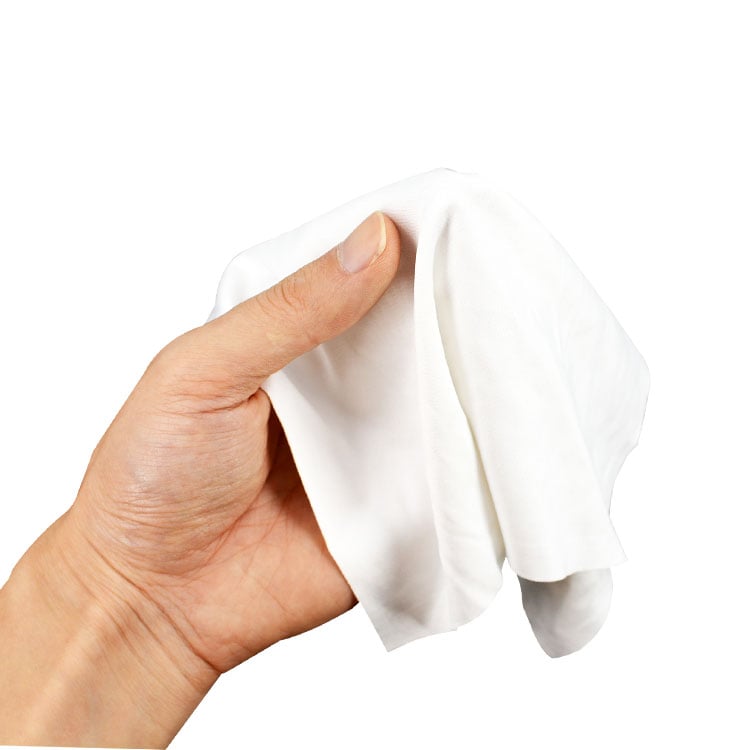
Modern industrial and laboratory environments demand exceptional cleanliness standards that traditional cleaning materials often fail to meet. The evolution of cleaning technology has introduced specialized solutions, with the microfiber wiper emerging as a superior choice for precision cleaning applications. These advanced cleaning tools combine synthetic materials engineered at the microscopic level to deliver unmatched performance across diverse cleaning requirements. Understanding the specific applications and benefits of microfiber technology enables organizations to optimize their cleaning protocols while reducing contamination risks and operational costs.

Advanced Material Composition and Structure
Synthetic Fiber Technology
The foundation of any effective microfiber wiper lies in its sophisticated material composition. Constructed primarily from polyester and polyamide fibers, these cleaning tools feature strands that measure less than one denier in diameter, making them significantly finer than human hair. This microscopic structure creates millions of tiny spaces within the fabric that trap dust, dirt, and contaminants with remarkable efficiency. The synthetic nature of microfiber ensures consistent performance across multiple cleaning cycles while maintaining structural integrity under demanding conditions.
Manufacturing processes for premium microfiber wipers involve precision splitting techniques that create additional surface area for enhanced absorption capacity. The result is a cleaning medium that can hold up to eight times its weight in liquid while maintaining its shape and cleaning effectiveness. This exceptional absorption characteristic makes the microfiber wiper particularly valuable in applications requiring thorough moisture removal or chemical cleaning procedures.
Electrostatic Properties
One distinguishing feature of quality microfiber wipers is their natural electrostatic charge generation during use. As the fabric moves across surfaces, friction creates a static charge that attracts and holds microscopic particles, including dust, pollen, and other airborne contaminants. This electrostatic attraction enhances cleaning efficiency beyond simple mechanical wiping action, ensuring more thorough contamination removal with fewer passes across treated surfaces.
The electrostatic properties of microfiber materials make them particularly effective for sensitive electronic equipment cleaning, where traditional cotton or paper wipers might leave residues or create static discharge risks. The controlled static generation of a microfiber wiper provides cleaning benefits while remaining safe for use around electronic components and precision instruments.
Industrial and Manufacturing Applications
Cleanroom Environment Requirements
Cleanroom facilities in pharmaceutical, semiconductor, and biotechnology industries require cleaning materials that meet stringent contamination control standards. A properly manufactured microfiber wiper excels in these environments due to its low-linting characteristics and superior particle retention capabilities. Unlike traditional woven fabrics that shed fibers during use, high-quality microfiber construction minimizes particle generation while effectively removing contaminants from critical surfaces.
The smooth edge construction typical of cleanroom-grade microfiber wipers prevents fiber release during cleaning procedures. These specialized products undergo rigorous testing to ensure compliance with ISO cleanroom classifications, making them suitable for Class 10 through Class 100,000 environments. The chemical resistance of synthetic microfiber materials allows for repeated sterilization procedures without degradation, supporting strict cleanroom protocols.
Precision Manufacturing Processes
Manufacturing environments requiring precision cleaning benefit significantly from microfiber wiper technology. The lint-free properties prevent contamination of machined surfaces, optical components, and sensitive assemblies during production processes. Automotive manufacturing, aerospace production, and medical device assembly operations rely on microfiber cleaning solutions to maintain quality standards while reducing rejection rates caused by surface contamination.
The durability of microfiber materials supports cost-effective cleaning programs in high-volume manufacturing settings. A single microfiber wiper can withstand hundreds of cleaning cycles when properly maintained, providing superior value compared to disposable alternatives while maintaining consistent performance throughout its service life.
Laboratory and Research Facility Cleaning
Analytical Equipment Maintenance
Laboratory environments demand cleaning solutions that eliminate interference with sensitive analytical procedures. Microfiber wipers provide the necessary cleanliness levels for maintaining spectroscopy equipment, microscopes, and other precision instruments without introducing contaminants that could affect measurement accuracy. The non-abrasive nature of microfiber materials protects delicate optical surfaces while removing fingerprints, dust, and chemical residues.
Research facilities working with trace analysis applications particularly benefit from the thorough cleaning capabilities of microfiber technology. The ability of a microfiber wiper to capture and retain microscopic particles prevents cross-contamination between samples and maintains the integrity of analytical results. This level of cleanliness is essential for laboratories conducting pharmaceutical research, environmental testing, and materials science investigations.
Chemical Compatibility and Safety
The chemical resistance of microfiber materials enables safe use with a wide range of cleaning solvents and disinfectants commonly employed in laboratory settings. Unlike natural fiber alternatives that may degrade when exposed to aggressive chemicals, synthetic microfiber wipers maintain their structural integrity and cleaning effectiveness throughout extended chemical exposure. This compatibility supports comprehensive decontamination procedures required in biosafety laboratories and chemical research facilities.
Safety considerations in laboratory cleaning extend beyond chemical compatibility to include particle generation and static control. Microfiber wipers address these concerns by providing controlled cleaning action that minimizes airborne contamination while managing static electricity generation. These characteristics are particularly important in laboratories handling volatile compounds or explosive materials where static discharge could pose safety risks.
Optical and Electronic Equipment Care
Screen and Display Cleaning
Modern electronic displays require specialized cleaning approaches to maintain optical clarity without causing surface damage. The fine fiber structure of a microfiber wiper provides gentle yet effective cleaning action that removes fingerprints, smudges, and dust without scratching delicate screen coatings. This makes microfiber the preferred choice for maintaining smartphones, tablets, computer monitors, and television displays across consumer and professional applications.
The streak-free cleaning performance of microfiber materials eliminates the need for chemical cleaners in many display cleaning applications. The capillary action within the fiber structure captures and redistributes oils and moisture, leaving surfaces completely clean and clear. This dry cleaning capability is particularly valuable for touch-sensitive displays where chemical residues could affect functionality or user experience.
Precision Optical Components
Camera lenses, microscope objectives, and other precision optical components require cleaning methods that preserve optical performance while removing contaminants. Microfiber wipers excel in these applications due to their non-abrasive cleaning action and superior debris retention characteristics. The microscopic fiber structure conforms to optical surface contours, ensuring complete cleaning coverage without applying excessive pressure that could damage delicate coatings.
Professional photographers, laboratory technicians, and optical equipment manufacturers rely on microfiber cleaning solutions to maintain equipment performance and extend service life. The washable nature of quality microfiber wipers provides cost-effective maintenance solutions while ensuring consistent cleaning results across multiple applications. This reliability is essential for maintaining the precision required in professional optical applications.
Healthcare and Medical Device Applications
Infection Control Protocols
Healthcare facilities require cleaning materials that support strict infection control protocols while providing effective contamination removal. Microfiber wipers meet these demanding requirements through their superior particle capture capabilities and compatibility with hospital-grade disinfectants. The fine fiber structure traps bacteria, viruses, and other pathogens more effectively than traditional cleaning materials, supporting comprehensive surface decontamination procedures.
The laundering capabilities of microfiber materials enable repeated sterilization cycles without performance degradation, making them suitable for reusable cleaning protocols in healthcare settings. When properly processed, a microfiber wiper can achieve sterility levels appropriate for use in surgical suites, intensive care units, and other critical care environments where contamination control is paramount.
Medical Device Maintenance
Sensitive medical equipment requires cleaning approaches that maintain device functionality while ensuring patient safety. Microfiber wipers provide the gentle yet thorough cleaning action needed for maintaining diagnostic equipment, monitoring devices, and surgical instruments. The lint-free characteristics prevent fiber contamination of critical components while the chemical compatibility allows use with approved medical device cleaners and disinfectants.
The electrostatic properties of microfiber materials offer additional benefits in medical device cleaning by attracting and holding microscopic contaminants that could interfere with device operation. This enhanced cleaning effectiveness supports regulatory compliance requirements while extending equipment service intervals and reducing maintenance costs.
Automotive and Aerospace Industries
Surface Preparation and Finishing
Automotive manufacturing and refinishing operations require cleaning solutions that prepare surfaces for coating applications while maintaining finish quality. Microfiber wipers excel in removing polishing compounds, wax residues, and surface contaminants without introducing scratches or swirl marks that could affect final appearance. The fine fiber structure provides controlled cleaning action that supports high-quality finish results across various automotive surfaces.
The durability of microfiber materials makes them cost-effective for high-volume automotive applications where cleaning efficiency directly impacts production throughput. A single microfiber wiper can clean multiple vehicles or components before requiring replacement, providing significant cost savings compared to disposable alternatives while maintaining consistent performance standards.
Aerospace Component Cleaning
Aerospace manufacturing demands the highest levels of cleanliness to ensure component reliability and safety. Microfiber wipers meet these stringent requirements through their exceptional contamination removal capabilities and compliance with aerospace cleaning specifications. The low-particle generation characteristics prevent foreign object debris that could compromise aircraft safety or performance.
Critical aerospace components such as engine parts, avionics systems, and structural elements require cleaning methods that remove all traces of manufacturing residues without introducing new contaminants. The thorough cleaning action of a microfiber wiper ensures complete surface preparation for assembly procedures while supporting traceability requirements essential in aerospace quality systems.
Environmental Benefits and Sustainability
Waste Reduction Strategies
The reusable nature of microfiber wipers contributes significantly to waste reduction initiatives across industrial and commercial applications. Unlike disposable paper towels or cotton rags that generate continuous waste streams, quality microfiber products can withstand hundreds of cleaning cycles before replacement becomes necessary. This longevity reduces landfill waste while lowering overall cleaning costs through extended product life cycles.
Organizations implementing sustainable cleaning practices find that microfiber technology supports environmental goals while maintaining or improving cleaning effectiveness. The reduced chemical requirements for many microfiber cleaning applications further enhance environmental benefits by minimizing chemical waste and reducing potential environmental contamination from cleaning operations.
Resource Conservation
The efficiency of microfiber cleaning technology contributes to resource conservation through reduced water consumption, chemical usage, and energy requirements. The superior absorption capacity of a microfiber wiper enables effective cleaning with minimal liquid application, reducing water waste in cleaning operations. Additionally, the ability to clean effectively with water alone eliminates chemical requirements for many applications, further reducing resource consumption.
Energy conservation benefits result from the reduced laundering requirements and extended service life of microfiber products. The synthetic materials maintain their cleaning effectiveness through numerous wash cycles, reducing the frequency of replacement purchases and associated transportation energy costs. These cumulative benefits make microfiber wipers an environmentally responsible choice for organizations prioritizing sustainability in their operations.
FAQ
How long do microfiber wipers last with regular use
Quality microfiber wipers typically last between 300-500 wash cycles when properly maintained, making them significantly more durable than traditional cleaning materials. The lifespan depends on usage intensity, washing procedures, and storage conditions. Proper care including appropriate detergents, correct water temperatures, and avoiding fabric softeners can maximize service life while maintaining cleaning effectiveness throughout the product's useful life.
Can microfiber wipers be used with all types of cleaning chemicals
Microfiber wipers demonstrate excellent compatibility with most commercial cleaning chemicals, disinfectants, and solvents commonly used in industrial and laboratory applications. However, extended exposure to bleach solutions or highly acidic cleaners may gradually degrade the synthetic fibers. It is recommended to test compatibility with specific chemicals and follow manufacturer guidelines for optimal performance and longevity. Most microfiber products perform effectively with water alone for many cleaning applications.
What makes microfiber wipers superior to cotton or paper alternatives
Microfiber wipers offer several advantages over traditional materials including superior absorption capacity, lint-free performance, and enhanced particle capture through electrostatic attraction. The microscopic fiber structure creates significantly more surface area for contamination removal while the synthetic construction ensures consistent performance across multiple cleaning cycles. Additionally, microfiber materials generate less waste and provide better cost-effectiveness through extended service life compared to disposable alternatives.
Are specialized microfiber wipers required for cleanroom applications
Cleanroom environments require microfiber wipers manufactured to specific standards including low particle generation, controlled edge finishing, and appropriate material composition. These specialized products undergo additional processing and testing to meet ISO cleanroom classifications and regulatory requirements. Standard microfiber wipers may not provide the necessary contamination control levels required for critical cleanroom applications, making it important to select products specifically designed and tested for controlled environment use.