
 EN
EN



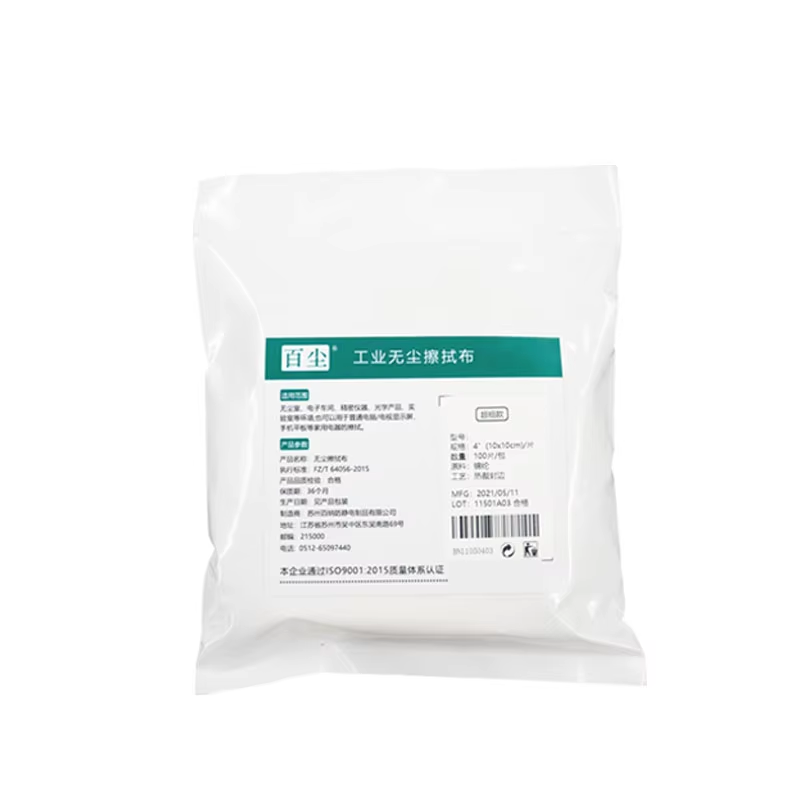
Heavy equipment operations demand specialized cleaning solutions that can withstand the harsh conditions and stubborn contaminants found in industrial environments. An effective industrial wipe must possess unique characteristics that set it apart from conventional cleaning materials. These specialized wiping products serve as the frontline defense against dirt, grease, oil, and debris that accumulate on heavy machinery during daily operations. Understanding the essential qualities that make an industrial wipe suitable for heavy equipment cleaning helps maintenance teams select the most appropriate products for their specific applications.
The demanding nature of heavy equipment cleaning requires wiping solutions that can handle extreme conditions while maintaining their structural integrity. Professional maintenance teams rely on high-performance cleaning materials that deliver consistent results across various industrial applications. The selection of appropriate cleaning products directly impacts equipment longevity, operational efficiency, and overall maintenance costs.
Material Composition and Durability Standards
Synthetic Fiber Construction
Modern industrial wipe products utilize advanced synthetic fiber compositions that provide superior strength and cleaning performance. Polyester-based materials offer exceptional durability while maintaining lint-free characteristics essential for precision cleaning applications. These synthetic fibers resist tearing and maintain their structure even when saturated with heavy oils and industrial solvents commonly encountered in equipment maintenance.
The manufacturing process for high-quality synthetic fibers involves precise control of fiber density and weave patterns. This attention to detail ensures that each industrial wipe delivers consistent performance throughout its useful life. Advanced polymer technologies enable these materials to withstand repeated use while maintaining their absorbent properties and structural integrity.
Tensile Strength Requirements
Heavy equipment cleaning demands wiping materials with exceptional tensile strength to handle aggressive scrubbing motions and abrasive surfaces. Professional-grade products undergo rigorous testing to ensure they meet industry standards for tear resistance and dimensional stability. The ability to maintain structural integrity under stress prevents costly delays caused by material failure during critical cleaning operations.
Quality control measures in manufacturing facilities ensure that each batch of wiping materials meets strict tensile strength specifications. These standards guarantee that maintenance teams can rely on consistent performance regardless of the specific cleaning challenge they encounter. The investment in high-strength materials ultimately reduces overall cleaning costs by minimizing product waste and improving cleaning efficiency.
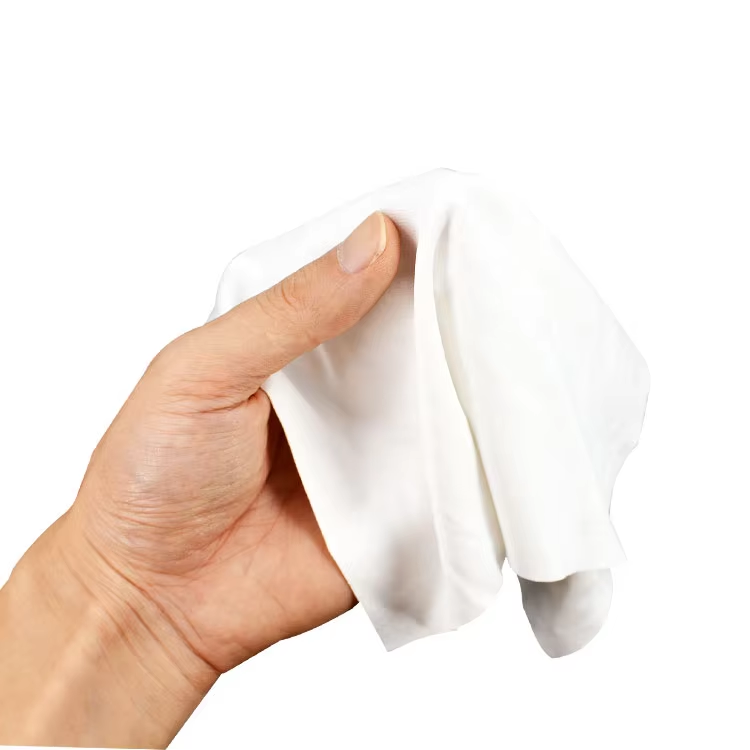
Absorbency and Fluid Management
Oil and Grease Absorption
Effective heavy equipment maintenance requires wiping materials capable of absorbing substantial quantities of hydraulic fluids, lubricants, and other petroleum-based substances. An exceptional industrial wipe demonstrates superior absorption rates while maintaining its structural integrity when saturated. This capability proves essential when dealing with hydraulic leaks, oil changes, and routine equipment maintenance procedures.
The microscopic structure of advanced wiping materials creates numerous absorption channels that facilitate rapid fluid uptake. These engineered fiber networks ensure that absorbed liquids remain securely held within the material structure, preventing recontamination of cleaned surfaces. Professional maintenance teams depend on this reliable fluid retention to maintain clean working environments and prevent safety hazards.
Water-Based Contaminant Management
Industrial environments often expose heavy equipment to various water-based contaminants including coolants, cutting fluids, and cleaning solutions. A versatile industrial wipe must effectively manage both oil-based and water-based substances without compromising its cleaning performance. This dual-absorption capability proves invaluable in mixed-contamination scenarios commonly encountered in industrial facilities.
Advanced fiber technologies enable modern wiping materials to handle complex fluid mixtures while maintaining their effectiveness throughout the cleaning process. The ability to absorb and retain multiple fluid types simultaneously reduces the need for multiple cleaning products, streamlining maintenance procedures and reducing inventory costs for industrial facilities.
Contamination Control and Cleanliness
Lint-Free Performance
Precision equipment cleaning demands materials that leave no residue or contamination on cleaned surfaces. A professional-grade industrial wipe must demonstrate exceptional lint-free performance to prevent contamination of sensitive components and fluid systems. This characteristic proves particularly critical when cleaning hydraulic systems, electronic components, and precision machinery surfaces.
The manufacturing process for lint-free wiping materials involves specialized techniques that minimize fiber shedding while maximizing cleaning effectiveness. These production methods ensure that the finished product meets strict cleanliness standards required for critical applications. Quality control procedures verify that each batch maintains consistent lint-free performance throughout its intended service life.
Static Control Properties
Electronic components and sensitive instrumentation on heavy equipment require anti-static cleaning materials to prevent damage from electrostatic discharge. Advanced industrial wipe products incorporate static-dissipative properties that safely channel electrical charges away from sensitive components. This protective feature proves essential when cleaning computerized control systems, sensors, and electronic monitoring equipment.
The integration of conductive fibers or anti-static treatments ensures that wiping materials maintain their protective properties throughout their service life. These specialized materials provide peace of mind for maintenance technicians working with expensive electronic components while maintaining superior cleaning performance on conventional surfaces.
Chemical Compatibility and Safety
Solvent Resistance
Heavy equipment maintenance often requires the use of aggressive solvents and cleaning chemicals to remove stubborn contaminants. A reliable industrial wipe must demonstrate compatibility with a wide range of chemical cleaning agents without degrading or releasing harmful substances. This chemical resistance ensures that the wiping material maintains its integrity and performance when exposed to industrial solvents, degreasers, and specialized cleaning compounds.
Comprehensive testing protocols evaluate the chemical compatibility of wiping materials with commonly used industrial cleaning agents. These evaluations ensure that maintenance teams can confidently use their preferred cleaning chemicals without compromising the effectiveness of their wiping materials. The ability to withstand chemical exposure without degradation extends product life and reduces replacement costs.
Safety and Environmental Considerations
Modern industrial facilities prioritize worker safety and environmental responsibility when selecting cleaning materials. A quality industrial wipe should meet safety standards while minimizing environmental impact through responsible manufacturing practices. These considerations include the use of non-toxic materials, reduced packaging waste, and end-of-life disposal options that align with environmental regulations.
Safety certifications and compliance documentation provide assurance that wiping products meet industry standards for worker protection and environmental stewardship. These qualifications enable industrial facilities to maintain their safety records while achieving their sustainability goals without compromising cleaning effectiveness or operational efficiency.
Size and Format Options
Pre-Cut Sheets
Standardized pre-cut sheets provide convenience and consistency for routine maintenance tasks while minimizing waste. These precisely dimensioned formats ensure that maintenance teams have the appropriate amount of material for specific cleaning applications. The standardization of sheet sizes also facilitates inventory management and cost control for industrial facilities with multiple maintenance locations.
Quality pre-cut industrial wipe products feature clean, sealed edges that prevent unraveling and maintain structural integrity during use. This attention to detail in the cutting process ensures that each sheet delivers optimal performance while minimizing the potential for contamination from loose fibers or irregular edges.
Bulk Roll Formats
Large-scale cleaning operations benefit from bulk roll formats that provide flexibility in portion control and cost efficiency. These continuous roll products allow maintenance teams to customize sheet sizes based on specific cleaning requirements while reducing packaging waste. The convenience of bulk formats proves particularly valuable for high-volume cleaning applications and emergency response situations.
Advanced perforation systems in bulk roll products enable easy tearing at predetermined intervals while maintaining material strength and uniformity. This feature combination provides the flexibility of custom sizing with the convenience of quick, clean separation when time constraints demand efficient material handling.
Performance Testing and Quality Assurance
Standardized Testing Protocols
Rigorous testing procedures ensure that each industrial wipe meets established performance criteria before reaching end users. These comprehensive evaluations assess absorption capacity, tensile strength, chemical resistance, and cleanliness characteristics under controlled conditions. Standardized testing protocols provide objective performance data that enables informed product selection for specific applications.
Independent testing facilities verify manufacturer claims through standardized procedures that simulate real-world use conditions. These third-party evaluations provide confidence in product performance while ensuring compliance with industry standards and regulations governing industrial cleaning materials.
Quality Control Measures
Continuous quality monitoring throughout the manufacturing process ensures consistent performance across all production batches. Statistical process control methods identify potential variations before they impact product quality, maintaining the reliability that industrial users depend on for critical maintenance operations. These quality assurance measures include raw material inspection, in-process monitoring, and finished product verification.
Batch tracking systems enable rapid identification and isolation of any quality issues that might arise, protecting end users from potentially defective products. This traceability also facilitates continuous improvement initiatives that enhance product performance and reliability over time.
Cost-Effectiveness and Value Analysis
Total Cost of Ownership
Evaluating the true cost of an industrial wipe requires consideration of factors beyond the initial purchase price. Superior absorption capacity, durability, and cleaning effectiveness reduce the quantity of material required for each cleaning task, ultimately lowering overall cleaning costs. High-performance products often provide better value despite higher unit costs due to their enhanced efficiency and reduced waste generation.
Life cycle cost analysis reveals the economic benefits of investing in premium cleaning materials for heavy equipment maintenance. These evaluations consider material consumption rates, labor efficiency gains, and potential cost savings from improved equipment reliability resulting from more effective cleaning procedures.
Productivity Benefits
Effective cleaning materials contribute to improved maintenance productivity by reducing the time and effort required to achieve desired cleanliness levels. An efficient industrial wipe enables maintenance teams to complete cleaning tasks more quickly while achieving superior results, allowing more time for other critical maintenance activities. This productivity improvement translates directly into cost savings and improved equipment availability.
The reliability of high-quality cleaning materials reduces maintenance delays caused by inadequate cleaning results or material failures. This operational consistency enables better maintenance scheduling and resource allocation, contributing to overall facility efficiency and cost control.
FAQ
What makes polyester fibers ideal for heavy equipment cleaning applications
Polyester fibers offer exceptional strength, chemical resistance, and lint-free performance that makes them perfect for demanding industrial cleaning tasks. These synthetic materials maintain their structure when exposed to harsh solvents and oils commonly found in heavy equipment maintenance, while providing superior absorption capabilities and durability compared to natural fiber alternatives.
How does absorption capacity affect the performance of an industrial wipe
Higher absorption capacity allows a single industrial wipe to handle larger quantities of fluids and contaminants, reducing material consumption and improving cleaning efficiency. Superior absorption also means that liquids are held securely within the material structure, preventing recontamination of cleaned surfaces and maintaining a safer work environment for maintenance personnel.
Why is lint-free performance crucial for heavy equipment maintenance
Lint-free performance prevents contamination of sensitive components such as hydraulic systems, electronic controls, and precision machinery surfaces. Any fiber residue left behind during cleaning can cause blockages, sensor malfunctions, or premature component wear, making lint-free characteristics essential for maintaining equipment reliability and preventing costly repairs.
What role does chemical resistance play in industrial wipe selection
Chemical resistance ensures that an industrial wipe maintains its integrity and performance when exposed to aggressive cleaning solvents, degreasers, and other maintenance chemicals. Without adequate chemical resistance, wiping materials may degrade, release contaminants, or lose their effectiveness, compromising cleaning results and potentially creating safety hazards in the workplace.