
 EN
EN



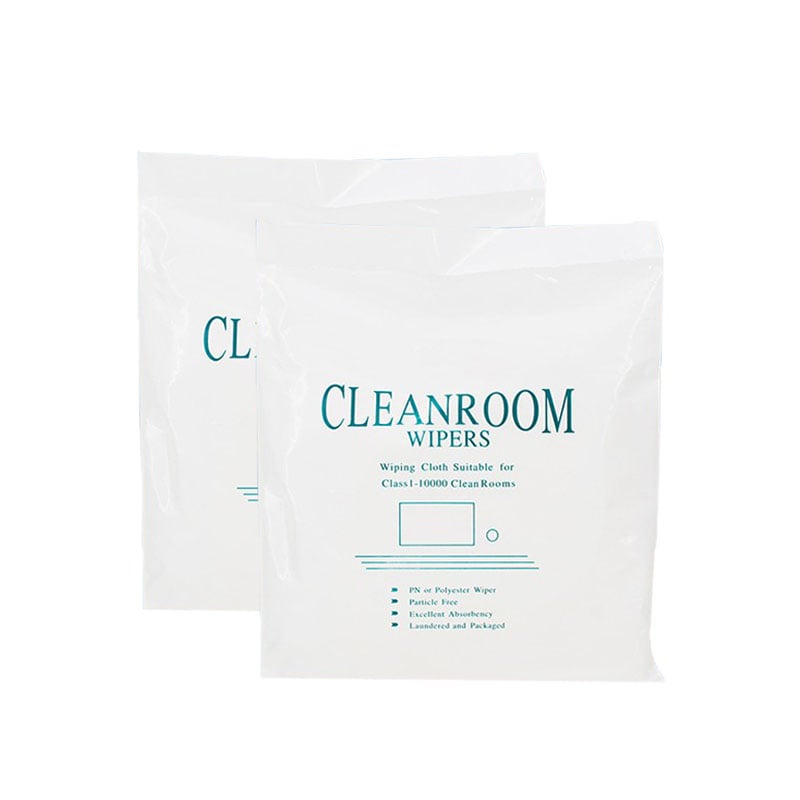
Selecting the right industrial wipe for your project requirements can significantly impact operational efficiency, cost-effectiveness, and cleaning performance. Professional contractors across manufacturing, automotive, aerospace, and electronics industries face unique challenges when choosing cleaning solutions that meet stringent quality standards. The decision involves evaluating multiple factors including material composition, absorbency rates, lint-free properties, and compatibility with various solvents and cleaning agents. Understanding these critical considerations ensures optimal performance while maintaining workplace safety and environmental compliance standards.
Material Composition and Fiber Technology
Polyester vs Cotton Blend Options
The foundation of any effective industrial wipe begins with its material composition, which directly influences cleaning performance and durability. Polyester-based options offer superior strength and chemical resistance compared to traditional cotton alternatives. These synthetic fibers maintain structural integrity when exposed to harsh industrial solvents, acids, and alkaline solutions commonly found in manufacturing environments. The uniformly engineered fibers in polyester industrial wipe products provide consistent cleaning performance across multiple applications.
Cotton blend alternatives present different advantages, particularly in applications requiring high absorbency rates for oil-based contaminants. Natural fibers excel at capturing and retaining liquid spills while maintaining softness that prevents surface scratching on delicate equipment components. However, cotton-based industrial wipe solutions may deteriorate more rapidly when exposed to aggressive chemical formulations, making material selection critical for specific operational requirements.
Advanced Fiber Engineering
Modern industrial wipe manufacturing incorporates advanced fiber engineering techniques that enhance cleaning effectiveness while reducing contamination risks. Microfiber technology creates ultra-fine synthetic strands that capture particles at the microscopic level, making these products ideal for precision cleaning applications in electronics and pharmaceutical manufacturing. The increased surface area provided by microfiber construction significantly improves dirt and debris removal compared to conventional fiber structures.
Specialized treatments during the manufacturing process can enhance specific properties such as antistatic characteristics, antimicrobial protection, or enhanced chemical resistance. These engineered features expand the versatility of industrial wipe applications while addressing industry-specific contamination concerns. Understanding these technological advantages helps contractors select products that deliver superior performance for their particular operational environments.

Absorbency and Liquid Retention Properties
Evaluating Absorption Capacity
Absorption capacity represents a fundamental performance metric when selecting an appropriate industrial wipe for liquid management applications. Different fiber structures and weaving patterns create varying levels of liquid retention, directly impacting cleaning efficiency and product consumption rates. High-capacity options reduce the quantity of wipes required for large spill cleanup operations, potentially decreasing overall operational costs while improving workflow efficiency.
Testing absorption rates under actual working conditions provides valuable insights into real-world performance characteristics. Laboratory specifications may not accurately reflect field performance when dealing with viscous fluids, heated liquids, or complex chemical mixtures commonly encountered in industrial settings. Contractors should evaluate absorption capacity using representative samples of the actual contaminants they encounter during typical operations.
Retention and Release Characteristics
Beyond initial absorption, the ability of an industrial wipe to retain captured liquids during handling and disposal significantly affects cleaning effectiveness. Products with poor retention characteristics may release absorbed contaminants during transport or disposal, creating secondary contamination issues. Superior retention properties ensure that captured materials remain securely held within the fiber structure throughout the cleaning process.
Release characteristics become particularly important in applications requiring solvent recovery or when dealing with expensive cleaning agents. Some industrial wipe products allow for controlled release of absorbed liquids through mechanical compression, enabling partial recovery of costly cleaning solutions. This feature can provide substantial cost savings in operations that utilize expensive specialty solvents or cleaning formulations.
Lint-Free Performance and Contamination Control
Understanding Lint Generation Mechanisms
Lint generation represents a critical concern in sensitive manufacturing environments where even microscopic particle contamination can compromise product quality. Traditional cloth materials often shed fibers during use, creating contamination risks in cleanroom environments, electronics assembly areas, and precision manufacturing operations. industrial wipe products engineered with sealed edges and controlled fiber structures minimize particle generation while maintaining cleaning effectiveness.
The manufacturing process significantly influences lint-free performance characteristics. Heat-sealed edges prevent fiber shedding from cut surfaces, while specialized weaving techniques secure individual fibers within the overall fabric structure. Understanding these construction details helps contractors identify products that meet stringent contamination control requirements for their specific applications.
Cleanroom Classification Standards
Various industries maintain specific cleanroom classification standards that dictate acceptable particle generation limits for cleaning materials. ISO 14644 standards provide internationally recognized guidelines for particle contamination levels, requiring industrial wipe products to undergo rigorous testing to verify compliance. Products certified for higher-class cleanroom applications typically command premium pricing but deliver essential performance guarantees for sensitive manufacturing processes.
Regular testing and certification renewal ensure that industrial wipe products maintain consistent performance standards over time. Manufacturing variations, raw material changes, or process modifications can affect lint generation characteristics, making ongoing certification critical for applications with strict contamination control requirements. Contractors should verify current certification status and understand testing methodologies used to evaluate lint-free performance.
Chemical Compatibility and Resistance Properties
Solvent Compatibility Assessment
Chemical compatibility represents a crucial selection criterion for industrial wipe products used in environments with aggressive solvents, acids, or alkaline cleaning agents. Different fiber materials exhibit varying resistance levels to specific chemical families, making compatibility assessment essential for preventing premature product degradation. Incompatible combinations can result in fiber dissolution, strength loss, or chemical reactions that compromise cleaning effectiveness and workplace safety.
Comprehensive chemical compatibility charts provided by manufacturers offer valuable guidance for material selection, but real-world testing remains the most reliable evaluation method. Factors such as concentration levels, temperature conditions, and contact duration significantly influence compatibility performance beyond standardized testing parameters. Contractors should conduct compatibility trials using actual working conditions to verify manufacturer specifications.
Temperature and Environmental Resistance
Operating temperature ranges significantly affect industrial wipe performance characteristics, particularly in applications involving heated surfaces or elevated ambient conditions. High-temperature exposure can cause fiber softening, dimensional changes, or chemical property modifications that compromise cleaning effectiveness. Understanding temperature limitations helps contractors select appropriate products for their specific operational environments.
Environmental factors such as humidity, UV exposure, and atmospheric contaminants can accelerate industrial wipe degradation during storage and use. Products designed for extended shelf life incorporate stabilizing additives and protective packaging that maintain performance characteristics under challenging storage conditions. Evaluating environmental resistance properties ensures consistent performance throughout the product lifecycle.
Cost-Effectiveness and Performance Value
Total Cost of Ownership Analysis
Evaluating industrial wipe cost-effectiveness requires comprehensive analysis beyond initial purchase price considerations. Higher-quality products often deliver superior cleaning performance, requiring fewer units to achieve desired results and ultimately reducing total material consumption costs. Additionally, improved durability characteristics allow for multiple-use applications in appropriate settings, further enhancing value propositions.
Labor efficiency represents another significant cost factor, as effective industrial wipe products reduce cleaning time requirements and minimize rework activities. Products that consistently deliver reliable performance enable workers to complete tasks more efficiently, reducing overall project costs through improved productivity. Quantifying these efficiency gains helps justify premium pricing for superior-performing products.
Bulk Purchasing and Storage Considerations
Volume purchasing strategies can significantly reduce per-unit costs for industrial wipe products, but storage requirements and shelf life limitations must be considered. Bulk quantities require appropriate storage facilities with controlled temperature and humidity conditions to prevent degradation. Understanding storage requirements and shelf life characteristics helps optimize purchasing strategies while maintaining product quality.
Packaging configurations affect both storage efficiency and workplace convenience. Individual packaging prevents contamination and extends shelf life, while bulk packaging reduces material waste and handling costs. Selecting appropriate packaging options based on usage patterns and storage capabilities optimizes both cost and performance outcomes.
Quality Standards and Certification Requirements
Industry-Specific Standards Compliance
Different industries maintain specific quality standards and certification requirements for industrial wipe products used in their operations. Aerospace manufacturing demands products meeting AS9100 quality standards, while pharmaceutical operations require compliance with FDA regulations and cGMP guidelines. Understanding applicable standards ensures selected products meet regulatory requirements and maintain operational compliance.
Automotive manufacturing facilities often require products certified to IATF 16949 standards, emphasizing consistent quality and traceability throughout the supply chain. Electronics manufacturing may demand products meeting IPC standards for electrostatic discharge protection and contamination control. Identifying relevant industry standards guides product selection and ensures regulatory compliance.
Documentation and Traceability
Comprehensive documentation packages including certificates of analysis, material safety data sheets, and quality assurance records provide essential information for regulatory compliance and quality control programs. Traceability requirements enable tracking of individual product lots through manufacturing and distribution processes, supporting investigation and corrective action activities when quality issues arise.
Regular auditing of supplier quality systems ensures ongoing compliance with established standards and identifies potential improvement opportunities. Understanding supplier capabilities and quality management processes helps contractors select reliable partners that consistently deliver compliant industrial wipe products meeting their operational requirements.
Application-Specific Selection Criteria
Precision Cleaning Applications
Precision cleaning applications in electronics, optics, and medical device manufacturing require specialized industrial wipe products engineered to remove contaminants without introducing new particles or residues. These applications demand products with verified low-extractable content, ensuring that cleaning processes do not introduce ionic or organic contaminants that could compromise product performance or reliability.
Surface compatibility becomes critical in precision cleaning, as aggressive materials can cause micro-scratching or surface damage on delicate components. Soft, non-abrasive industrial wipe options provide effective cleaning while protecting sensitive surfaces from damage. Understanding surface requirements and selecting appropriate products prevents costly component damage during cleaning operations.
Heavy-Duty Industrial Cleaning
Heavy-duty industrial cleaning applications require robust products capable of withstanding aggressive use while maintaining cleaning effectiveness. These environments often involve abrasive contaminants, rough surfaces, and demanding physical conditions that can quickly degrade inferior products. Selecting appropriately engineered industrial wipe products ensures reliable performance throughout challenging cleaning operations.
Durability characteristics become particularly important in heavy-duty applications where product failure can disrupt operations or create safety hazards. Understanding strength specifications, tear resistance, and wear characteristics helps identify products capable of performing reliably under demanding conditions while maintaining cost-effectiveness through extended service life.
FAQ
How do I determine the appropriate absorbency level for my industrial wipe needs
Determining appropriate absorbency levels requires evaluating the types and volumes of liquids encountered in your specific applications. Conduct testing with representative samples to measure absorption capacity under actual working conditions. Consider factors such as liquid viscosity, temperature, and contact time when evaluating performance. Higher absorbency products reduce consumption rates but may cost more initially, requiring cost-benefit analysis for optimal selection.
What certifications should I look for when selecting lint-free industrial wipes
Essential certifications include ISO 14644 compliance for cleanroom applications, demonstrating verified particle generation levels. Industry-specific certifications such as FDA compliance for pharmaceutical applications or AS9100 for aerospace manufacturing provide additional assurance. Request current certification documents and understand testing methodologies used to verify performance claims. Regular certification renewal ensures ongoing compliance with evolving standards.
Can industrial wipes be reused safely in certain applications
Reuse potential depends on application requirements, contamination levels, and product construction. Some heavy-duty industrial wipe products designed for multiple-use applications can be safely reused after appropriate cleaning procedures. However, applications involving hazardous materials, cross-contamination risks, or precision cleaning typically require single-use protocols. Evaluate specific operational requirements and safety considerations before implementing reuse strategies.
How should industrial wipes be stored to maintain optimal performance
Proper storage requires controlled temperature and humidity conditions as specified by manufacturers. Protect products from direct sunlight, moisture, and contamination sources that could degrade performance characteristics. Maintain appropriate inventory rotation using first-in-first-out principles to prevent shelf life expiration. Consider packaging configurations that provide optimal protection while supporting efficient workplace distribution and use.
Table of Contents
- Material Composition and Fiber Technology
- Absorbency and Liquid Retention Properties
- Lint-Free Performance and Contamination Control
- Chemical Compatibility and Resistance Properties
- Cost-Effectiveness and Performance Value
- Quality Standards and Certification Requirements
- Application-Specific Selection Criteria
- FAQ